

General Contractor Insurance That Helps Protect Your Business.
Managing projects, crews, subcontractors, equipment, and jobsites comes with plenty of risk. Our agents compare options from 20+ top-rated carriers to help build insurance solutions tailored to your contracting business.
THE FIRSTMARK CHALLENGE
A better way to review coverage.
Four simple steps. Zero obligation.

Have A Conversation.

We shop the markets.

Review the results.

You decide.
- Licensed in 39 states
- 20+ Insurance Carriers
- Headquartered in Edmonds, WA
- Independent & Unbiased
A better way to review coverage.
The Firstmark Challenge
Our simple, guided process makes reviewing your insurance easy. We take the time to understand your needs, compare options across top carriers, and present clear results—so you can make a confident decision.
01
Have A Conversation
02
We Shop The Markets
03
Review The Results
04
You Decide!
Build Your Business on a Strong Insurance Foundation
With FirstMark Insurance’s dedicated commercial insurance team, you get local experts comparing coverage from over 20 insurance carriers to help protect your contracting business, employees, equipment, vehicles, and operations—with strong coverage and competitive pricing.
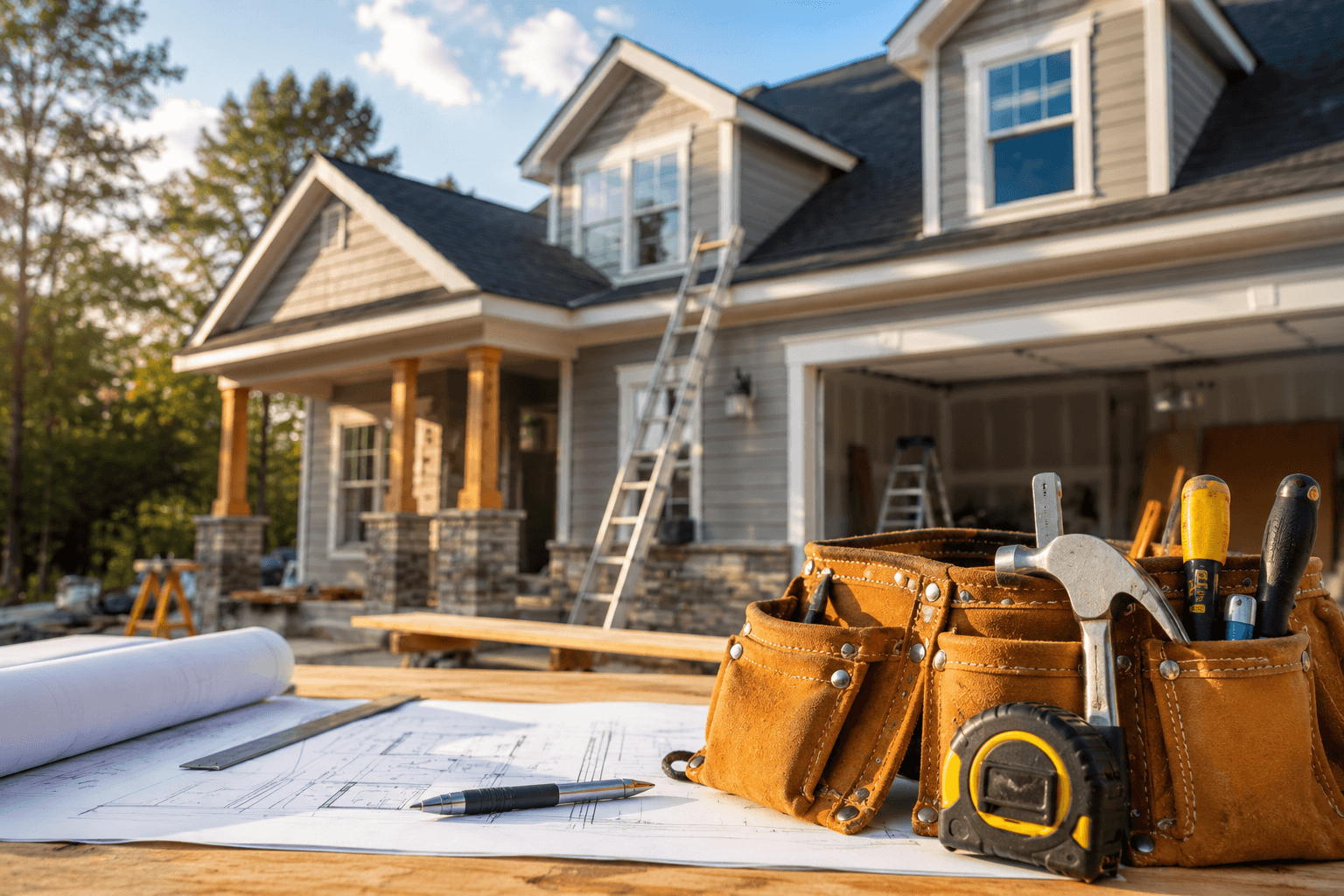
General contractors manage a lot more than construction projects. You coordinate subcontractors, employees, materials, equipment, schedules, vehicles, customers, and jobsites—often across multiple projects at the same time. With so many moving parts, even a relatively minor accident or mistake can become an expensive problem.
General contractor insurance can help protect your construction business against many of the risks associated with managing residential and commercial construction projects.
Whether you specialize in new construction, remodeling, renovations, tenant improvements, additions, or other construction services, having the right insurance program is an important part of protecting your business.
Working with an independent insurance agent can also give you access to multiple insurance companies, allowing you to compare coverage and find an insurance program appropriate for your operation.
What Insurance Does a General Contractor Need?
There isn't one insurance policy that covers every risk a general contractor faces. Instead, contractor insurance usually combines several different commercial insurance coverages.
Depending on your business, your insurance program may include:
General Liability Insurance
General contractor general liability insurance is one of the most important coverages for a construction business. It can help protect your company against qualifying claims involving bodily injury, property damage, and other liability exposures.
For example, coverage may respond if your work accidentally damages a customer's property or someone is injured as a result of your business operations.
General contractors are also frequently required to provide proof of general liability insurance before beginning a project.
Workers' Compensation Insurance
Construction employees can face significant workplace hazards, including falls, lifting injuries, power tools, machinery, and other jobsite accidents.
Workers' compensation insurance can provide benefits for qualifying employees who suffer work-related injuries or illnesses. Requirements vary depending on your business and where you operate.
Commercial Auto Insurance
Pickup trucks, vans, trailers, and other vehicles are an important part of many contracting businesses. If vehicles are owned or used by the business, commercial auto insurance may be necessary.
Commercial auto coverage can help protect your business against liability and physical damage exposures involving covered business vehicles.
Carpenter Tools and Equipment Insurance
Your tools go wherever the work takes you. Standard commercial property coverage may not adequately protect equipment that regularly moves between your shop, vehicles, storage facilities, and jobsites.
Contractors tools and equipment coverage, often written as inland marine insurance, can provide protection for tools and mobile equipment while they're away from your primary business location.
Coverage may include items such as:
- Power tools
- Generators
- Compressors
- Saws and specialty tools
- Portable construction equipment
- Jobsite equipment
Larger equipment may require separate contractors equipment coverage.
Coverage may be available for items such as:
- Table and miter saws
- Nail guns and compressors
- Drills and impact drivers
- Sanders and routers
- Generators
- Ladders
- Hand tools
- Other portable carpentry equipment
Coverage limits, deductibles, and eligible equipment can vary by policy. Particularly valuable tools or larger equipment may require additional coverage.
Commercial Property Insurance
Carpenters who own or lease a workshop, office, warehouse, or storage facility may want to consider commercial property insurance.
Depending on the policy, commercial property coverage may help protect buildings, office equipment, materials, supplies, machinery, and other business property against certain covered losses.
Commercial Umbrella or Excess Liability Insurance
Some carpentry businesses may need liability limits beyond those provided by their primary insurance policies.
Commercial umbrella or excess liability insurance may provide additional limits above certain underlying policies. Higher limits might also be required when working for general contractors, developers, commercial property owners, or other larger organizations.
Insurance for Different Types of Carpenters
Carpentry includes a wide variety of specialties, and the type of work performed may influence insurance eligibility, coverage options, and pricing.
Commercial Property Insurance
General contractors who own or lease an office, warehouse, shop, or storage facility may need commercial property insurance.
Coverage can help protect buildings, office equipment, supplies, inventory, and other business property against certain covered losses such as fire, theft, or storm damage.
Builders Risk Insurance
Builders risk insurance can provide protection for a building or structure while it is under construction or undergoing substantial renovation.
Depending on the project and policy, coverage may extend to the structure itself as well as certain materials and supplies intended to become part of the completed project.
General contractors should determine before each project which party is responsible for obtaining builders risk coverage.
Commercial Umbrella or Excess Liability
A serious construction accident can result in damages that exceed the limits of an underlying liability policy.
Commercial umbrella or excess liability insurance can provide additional limits above certain underlying policies. Contractors working on larger projects may also encounter contracts requiring specific umbrella or excess liability limits.
Insurance for General Contractors Using Subcontractors
Subcontractors create an important insurance consideration for general contractors.
Before allowing a subcontractor onto a project, contractors should have procedures for verifying appropriate insurance coverage and obtaining current certificates of insurance.
Depending on the situation, contracts may also require subcontractors to name the general contractor as an additional insured.
Insurance companies may have specific requirements regarding subcontractor usage, including the types of work subcontracted, insurance limits carried by subcontractors, written contracts, and certificates of insurance.
These details should be discussed with your insurance agent so your policy accurately reflects how your business operates.
General Contractor Insurance for Different Types of Projects
Insurance programs can be structured for contractors working on many types of projects, including:
- Residential construction
- Commercial construction
- Home remodeling
- Additions and renovations
- Tenant improvements
- New home construction
- Multi-family construction
- Office and retail buildouts
- Restoration projects
- General repair and renovation work
The appropriate coverage depends on the size of your business, type of projects you perform, subcontractor usage, payroll, annual revenue, equipment, vehicles, and other factors.
Protect the Business You've Built
Your construction company represents years of hard work, relationships, equipment investments, and experience. The right insurance program helps protect those assets while allowing you to focus on completing projects and growing your business.
An independent insurance agent can review your operation, identify potential coverage gaps, and compare general contractor insurance options from multiple insurance companies.
FAQs
What insurance does a general contractor need?
General contractors commonly carry general liability, workers' compensation, commercial auto, tools and equipment, and commercial property insurance. Builders risk, umbrella liability, pollution liability, and other specialized coverages may also be appropriate depending on the contractor and projects performed.
How much does general contractor insurance cost?
The cost of general contractor insurance depends on factors including annual revenue, payroll, type of construction performed, subcontractor costs, claims history, vehicles, equipment, coverage limits, and geographic area. Contractors performing higher-risk work may pay more than businesses with lower-risk operations.
Does general contractor insurance cover subcontractors?
Not necessarily. Subcontractors generally should maintain their own insurance coverage. General contractors should verify subcontractor insurance requirements and maintain certificates of insurance. Policy requirements regarding subcontractors can vary considerably between insurance companies.
What is a certificate of insurance for a contractor?
A certificate of insurance, commonly called a COI, provides information about a contractor's insurance policies and coverage limits at the time the certificate is issued. Customers, property owners, lenders, and other contractors may request a COI before allowing work to begin.
Does general contractor insurance cover tools and equipment?
Tools and equipment can often be protected through contractors equipment or inland marine coverage. This coverage may protect qualifying tools and mobile equipment while they're at a jobsite, being transported, or temporarily stored away from the contractor's primary location.
Does a general contractor need builders risk insurance?
Builders risk insurance is commonly used for new construction and major renovation projects. However, the general contractor isn't always the party responsible for purchasing it. The property owner, developer, or contractor may obtain the policy depending on the construction contract and project.
Do general contractors need commercial auto insurance?
If vehicles are owned by the business or regularly used for contracting operations, commercial auto insurance may be necessary. Personal auto insurance may exclude or limit coverage for certain business activities, making it important to discuss vehicle usage with your insurance agent.