

Coastal Home Insurance That Helps Protect Your Property.
Owning a home near the coast can bring unique insurance considerations. Our agents compare options from 20+ top-rated carriers to help find insurance solutions tailored to your property, location, and needs.
THE FIRSTMARK CHALLENGE
A better way to review coverage.
Four simple steps. Zero obligation.

Have A Conversation.

We shop the markets.

Review the results.

You decide.
- Licensed in 39 states
- 20+ Insurance Carriers
- Headquartered in Edmonds, WA
- Independent & Unbiased
A better way to review coverage.
The Firstmark Challenge
Our simple, guided process makes reviewing your insurance easy. We take the time to understand your needs, compare options across top carriers, and present clear results—so you can make a confident decision.
01
Have A Conversation
02
We Shop The Markets
03
Review The Results
04
You Decide!
Specialized Protection for Coastal Living
With FirstMark Insurance’s dedicated personal insurance team, you get local experts comparing coverage from over 20 insurance carriers to help find protection appropriate for your coastal home and its unique risks—with strong coverage and competitive pricing.
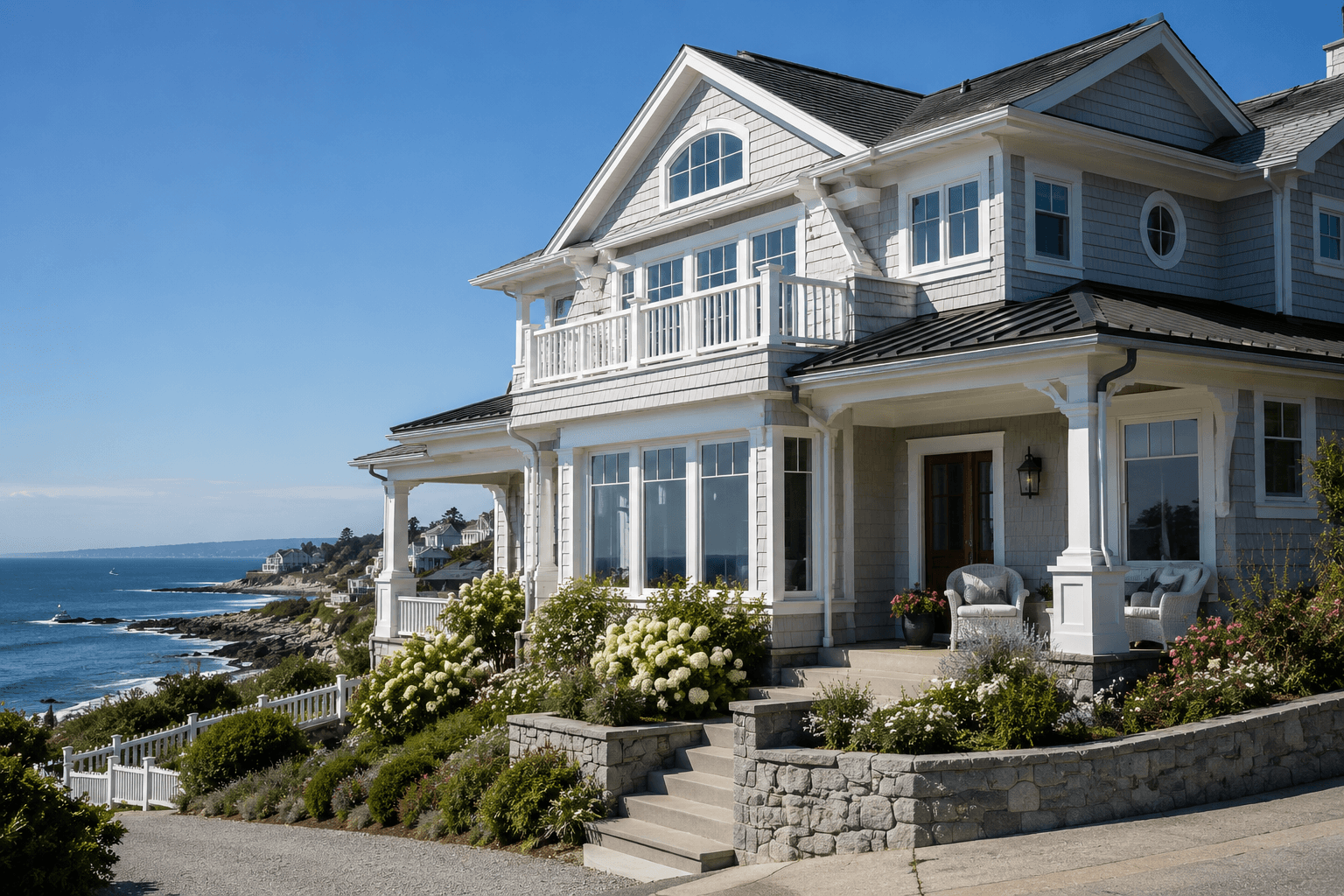
Living near the coast offers incredible scenery, access to the water, and a lifestyle that's difficult to replicate elsewhere. Coastal properties can also face insurance challenges that aren't as common with homes located farther inland. Wind, hurricanes, flooding, storm surge, salt air, and proximity to the water may all affect insurance availability and coverage.
Coastal home insurance can help protect primary residences, vacation homes, beach houses, and other properties located near the ocean or coastline. Depending on the property's location and risk characteristics, homeowners may need a combination of policies to properly address their exposures.
Because insurance companies have different guidelines regarding coastal properties, comparing multiple carriers may be especially important when insuring a home near the water.
What Types of Coastal Homes Can Be Insured?
Coastal properties come in many forms. Depending on the insurance company, location, construction, and occupancy, insurance may be available for:
- Primary coastal residences
- Beach houses
- Oceanfront homes
- Waterfront homes
- Vacation and seasonal homes
- Luxury coastal properties
- Secondary residences
- Coastal condominiums
- Older coastal homes
- Newly constructed coastal homes
Eligibility may depend on factors such as distance from the coastline, elevation, construction type, roof condition, storm protections, occupancy, and previous claims.
Insurance Coverage for a Coastal Home
A coastal homeowners policy may provide many of the same fundamental protections as insurance for a home located farther inland. Depending on the policy, coverage might include:
- Dwelling Coverage – May help repair or rebuild the home following certain qualifying covered losses.
- Other Structures – May provide coverage for qualifying detached garages, sheds, fences, and other structures.
- Personal Property – May help protect furniture, electronics, clothing, and other qualifying belongings.
- Personal Liability – May provide protection against certain qualifying bodily injury or property damage claims.
- Additional Living Expenses – May help with certain increased living expenses if a covered loss temporarily makes the home uninhabitable.
- Water Backup – May be available as an optional endorsement.
- Equipment Breakdown – Some insurers may offer coverage for certain qualifying mechanical or electrical equipment failures.
Coverage, deductibles, limits, exclusions, and availability vary by insurance company and policy.
Wind can be one of the most significant concerns when insuring a coastal property. Hurricanes, tropical storms, and other severe weather can cause extensive damage to roofs, siding, windows, and other parts of a home.
Depending on the state and property location, wind or hurricane coverage may be included in a homeowners policy, subject to a separate deductible, or excluded and insured through a separate policy.
Coastal homeowners should understand whether their insurance includes:
- Windstorm coverage
- Hurricane coverage
- Named-storm deductibles
- Wind and hail deductibles
- Roof settlement provisions
- Separate windstorm policies
The details can vary significantly between insurance companies and geographic areas.
Does Coastal Home Insurance Cover Flooding?
Standard homeowners insurance generally does not provide coverage for flooding. This distinction can be especially important for coastal homeowners because hurricanes and severe storms can produce both wind damage and flooding.
Separate flood insurance may be available through government-backed or private flood insurance programs. Coverage may be worth considering even when a lender does not require it.
A home's elevation, flood zone, proximity to water, construction, and other characteristics may affect flood insurance options and premiums.
Storm Surge and Coastal Flooding
Storm surge can push significant amounts of water inland during a hurricane or coastal storm. Damage caused by rising water or storm surge is generally considered a flood exposure rather than ordinary wind damage.
This means a coastal property owner may potentially need both homeowners or wind coverage and a separate flood insurance policy to address different portions of a major storm loss.
Understanding how these policies work together can be an important part of insuring a coastal property.
Insurance for Oceanfront and Beach Homes
Homes directly on or very close to the ocean can be particularly challenging to insure. Insurance companies may consider distance to the shoreline, elevation, storm history, construction quality, roof age, and protective features.
Some properties may qualify for traditional homeowners insurance, while others might require a combination of standard, specialty, wind, and flood insurance policies.
Higher-value oceanfront homes may also qualify for specialized high-value homeowners insurance offering additional coverage options and higher limits.
Coastal Vacation Home Insurance
Many beach and coastal properties are used as second homes rather than primary residences. Seasonal occupancy can create additional insurance considerations because a property may remain unattended for extended periods.
A coastal vacation home insurance policy may need to account for:
- Seasonal occupancy
- Extended periods without occupants
- Water leaks and plumbing damage
- Storm and hurricane exposure
- Property management or caretakers
- Rental activity, if applicable
Owners should accurately describe how frequently the property is occupied and whether it is ever rented to others.
Replacement Cost for Coastal Homes
Rebuilding a coastal home after a major loss can sometimes be more expensive than rebuilding a similar property inland. Building codes, wind-resistant construction requirements, specialized materials, debris removal, contractor demand, and access issues can potentially increase reconstruction costs.
Depending on the insurer and property, extended replacement cost or similar enhanced dwelling coverage may be available.
Homeowners should periodically review dwelling limits to make sure they continue to reflect estimated reconstruction costs rather than relying solely on the home's real estate market value.
How Much Does Coastal Home Insurance Cost?
There isn't a standard price for coastal home insurance. Premiums can vary significantly based on location, property characteristics, and coverage.
Factors that may influence insurance costs include:
- Distance from the coast
- Property elevation
- Flood zone
- Wind and hurricane exposure
- Home replacement cost
- Roof age and construction
- Storm-resistant features
- Primary versus seasonal occupancy
- Coverage limits and deductibles
- Previous insurance claims
In higher-risk coastal areas, the overall insurance program may involve separate premiums for homeowners, windstorm, and flood insurance.
Compare Coastal Home Insurance
Coastal properties can require more than simply purchasing a standard homeowners policy. Wind, hurricane, flood, and property coverage may need to work together to provide appropriate protection.
An independent insurance agent can help compare available insurance companies and identify coverage options for primary coastal residences, beach homes, vacation properties, and other homes near the water.
FAQs
Is coastal home insurance more expensive?
Coastal home insurance may cost more than coverage for some inland properties because of increased exposure to hurricanes, windstorms, flooding, and other coastal hazards. Actual premiums depend on the home's location, construction, value, coverage, and insurance company.
Does coastal homeowners insurance include hurricane coverage?
Hurricane or wind coverage may be included in some homeowners policies, subject to specific deductibles or restrictions. In certain coastal areas, wind coverage may need to be purchased separately. Requirements and availability vary by location and insurer.
Do I need separate flood insurance for a coastal home?
Standard homeowners insurance generally does not cover flooding. A separate flood insurance policy may be available through government-backed or private insurers and may be required by a lender for certain properties.
Can an independent insurance agent insure an oceanfront home?
Independent insurance agents may have access to standard, specialty, high-value, windstorm, and private flood insurance markets. Available options can depend heavily on the property's location, construction, value, elevation, and exposure to coastal hazards.