

Converted Van Insurance Built for Adventure.
Your converted van is more than a vehicle—it may also be your home base for exploring the road. Our agents compare options from 20+ top-rated carriers to help find insurance solutions tailored to your van and lifestyle.
THE FIRSTMARK CHALLENGE
A better way to review coverage.
Four simple steps. Zero obligation.

Have A Conversation.

We shop the markets.

Review the results.

You decide.
- Licensed in 39 states
- 20+ Insurance Carriers
- Headquartered in Edmonds, WA
- Independent & Unbiased
A better way to review coverage.
The Firstmark Challenge
Our simple, guided process makes reviewing your insurance easy. We take the time to understand your needs, compare options across top carriers, and present clear results—so you can make a confident decision.
01
Have A Conversation
02
We Shop The Markets
03
Review The Results
04
You Decide!
Protection Built Around Life on the Road
With FirstMark Insurance’s dedicated personal insurance team, you get local experts comparing coverage from over 20 insurance carriers to help find protection appropriate for your converted van, upgrades, and travel lifestyle—with strong coverage and competitive pricing.
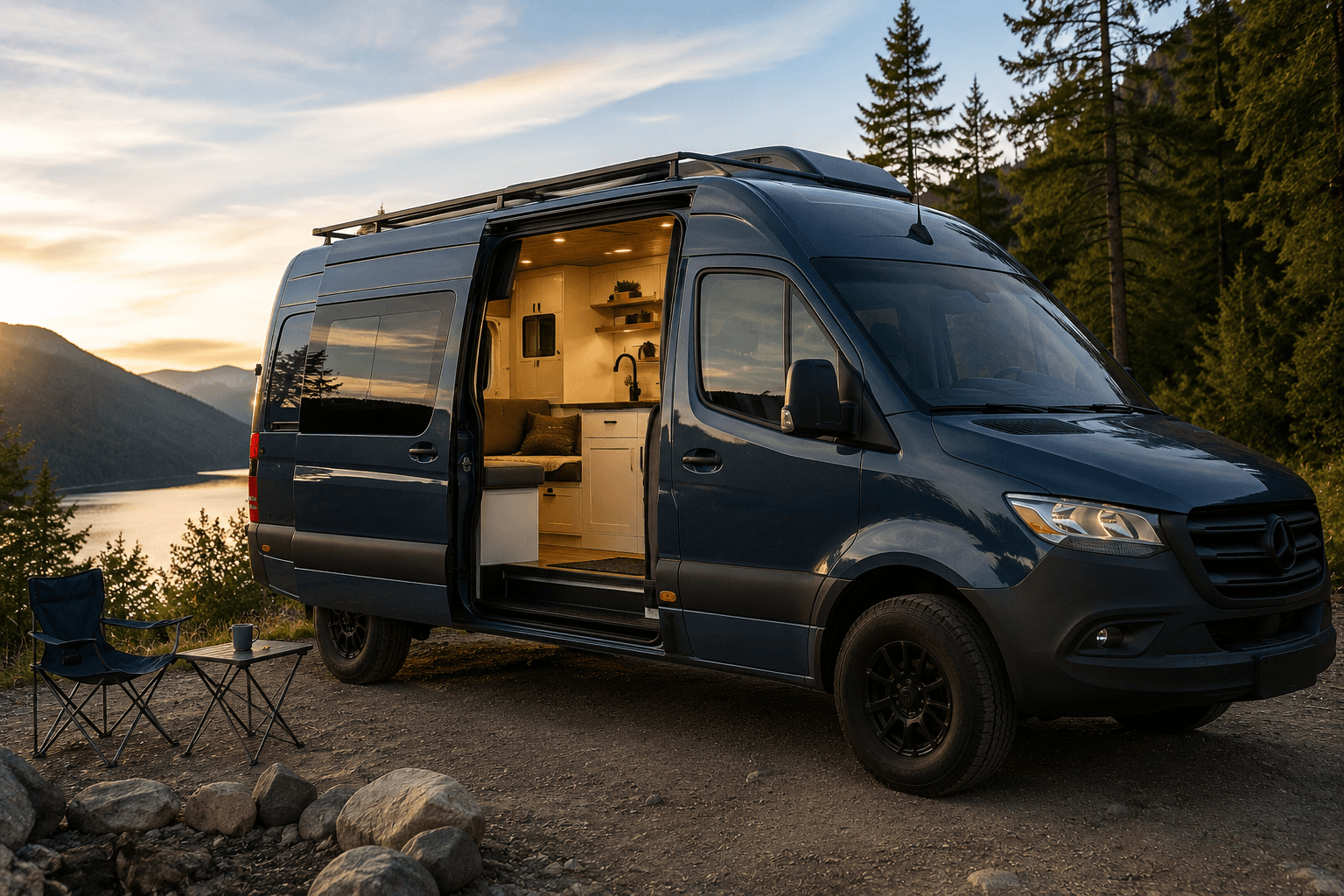
A converted van can be much more than a vehicle. Whether you've transformed a Mercedes-Benz Sprinter, Ram ProMaster, Ford Transit, or another cargo van into a camper, adventure vehicle, or home on wheels, the finished van may represent a significant investment in both the vehicle and the conversion itself.
Converted van insurance can present unique challenges because a standard personal auto policy may not automatically account for the value of permanently installed equipment, custom cabinetry, electrical systems, solar panels, plumbing, appliances, and other components added during a conversion.
The appropriate insurance may depend on the van, value of the conversion, how the work was completed, and how the vehicle is used. A professionally converted camper van used for weekend trips may have different insurance options than a DIY conversion used for extended travel.
Insurance for Sprinter, ProMaster & Transit Van Conversions
Many popular cargo and passenger vans can be converted into campers and recreational vehicles. Insurance may be available for qualifying conversions involving vehicles such as:
- Mercedes-Benz Sprinter camper vans
- Ram ProMaster camper vans
- Ford Transit camper vans
- Ford Transit Trail conversions
- Mercedes-Benz Metris conversions
- Other qualifying cargo and passenger vans
- Professionally built camper vans
- DIY van conversions
Insurance company guidelines can vary significantly. Some insurers may be comfortable with certain professionally completed conversions while others may have restrictions involving DIY builds, vehicle modifications, or how the van is titled and registered.
What Does Converted Van Insurance Cover?
Depending on the vehicle, conversion, and insurance company, coverage options may include:
- Liability Insurance – May provide protection for qualifying bodily injury or property damage for which you're legally responsible.
- Collision Coverage – May help pay for qualifying damage to the van resulting from a collision.
- Comprehensive Coverage – May provide protection for certain losses involving theft, vandalism, fire, weather, falling objects, or other covered events.
- Uninsured/Underinsured Motorist Coverage – May provide protection following certain accidents involving inadequately insured drivers.
- Conversion or Custom Equipment Coverage – May provide protection for qualifying permanently installed equipment and improvements.
- Personal Property Coverage – Certain policies may provide coverage for qualifying belongings carried inside the van.
- Roadside Assistance – May be available for certain towing and roadside emergencies.
- Emergency Expense Coverage – Certain RV policies may provide additional coverage following a qualifying covered loss while traveling.
Coverage availability, limits, deductibles, exclusions, and eligibility requirements can vary substantially between insurers.
Insuring the Value of a Camper Van Conversion
One of the most important considerations when insuring a converted van is making sure the policy appropriately recognizes the value of the conversion.
A cargo van might have a relatively straightforward market value before conversion. After adding tens of thousands of dollars in equipment and labor, however, its actual value may be considerably higher.
A conversion could include:
- Custom cabinetry and interior construction
- Beds and seating
- Insulation and flooring
- Solar panels
- Lithium battery systems
- Inverters and electrical systems
- Refrigerators and cooking equipment
- Water tanks and plumbing
- Showers and toilets
- Heating and air conditioning
- Awnings, roof racks, and exterior accessories
Owners should disclose these improvements when applying for insurance. Depending on the insurer, receipts, photographs, an appraisal, or documentation from the conversion company may be requested.
Professionally Converted Van Insurance
Many Sprinter, ProMaster, and Transit owners purchase vans converted by professional upfitters. These conversions may range from relatively simple weekend campers to sophisticated builds with complete electrical, plumbing, heating, and living systems.
Professional documentation can sometimes make it easier to establish the finished vehicle's value. Depending on the insurer, professionally converted vans may qualify for recreational vehicle coverage or another specialized insurance program.
The conversion company, finished value, equipment installed, and vehicle registration may all be considered during underwriting.
DIY Camper Van Insurance
Do-it-yourself van conversions have become increasingly popular. A DIY build can range from a removable bed platform and portable power station to a complete conversion involving permanent electrical, plumbing, propane, and structural modifications.
DIY converted van insurance can sometimes require additional underwriting because insurance companies may have different guidelines regarding owner-installed equipment.
Owners should accurately disclose the modifications rather than insuring the vehicle as an unmodified cargo van. Photographs, receipts, equipment lists, and other documentation may help establish the nature and value of the conversion.
Personal Auto Insurance vs. RV Insurance
A converted van doesn't necessarily fit neatly into one insurance category. Depending on the conversion and how the vehicle is registered, it might qualify for personal auto insurance, recreational vehicle insurance, or another specialized program.
An RV insurance policy may offer options particularly relevant to a camper van, including coverage for certain permanently installed equipment, personal belongings, emergency expenses, or other recreational vehicle exposures.
Eligibility can vary based on the vehicle, conversion, registration, sleeping facilities, cooking equipment, plumbing, and other features.
Insurance for Van Life and Extended Travel
Some converted vans are weekend adventure vehicles. Others are used for months of travel or even as a primary residence.
If you spend extended periods living in your van, tell your insurance professional how the vehicle is actually used. Certain insurance programs may have requirements or limitations involving full-time RV use or extended travel.
Owners who carry computers, cameras, bicycles, outdoor equipment, and other expensive belongings should also determine how those items are insured. The van's physical damage coverage may not automatically insure all personal property carried inside it.
How Much Does Converted Van Insurance Cost?
There isn't a standard price for converted van insurance. Premiums may vary considerably based on the underlying vehicle, conversion, driver, and use.
Factors that may influence the cost include:
- Van make, model, and model year
- Finished value of the conversion
- Professional versus DIY conversion
- Equipment and modifications
- Annual mileage
- Driver history
- Garaging location
- Recreational versus full-time use
- Coverage limits and deductibles
- Claims history
A basic weekend Transit conversion may have very different insurance needs from a high-end Sprinter conversion with a substantial amount invested in custom equipment.
Compare Converted Van Insurance
A converted van is both a vehicle and, in many cases, a customized recreational space. Making sure the insurance policy recognizes both aspects can be an important part of protecting your investment.
An independent insurance agent can help compare auto, RV, and specialty insurance options for converted Sprinter, ProMaster, Transit, and other camper vans.
FAQs
Can I insure a converted Sprinter, ProMaster or Ford Transit?
Insurance may be available for qualifying Mercedes-Benz Sprinter, Ram ProMaster, Ford Transit, and other converted vans. Eligibility can depend on the conversion, vehicle registration, value, equipment, and how the van is used.
Does insurance cover the cost of my van conversion?
Coverage for custom cabinetry, electrical systems, solar equipment, plumbing, appliances, and other conversion components may be available depending on the policy. Owners should disclose the conversion and confirm how its value will be handled following a qualifying loss.
Can I insure a DIY camper van conversion?
Some insurance companies may insure qualifying DIY conversions, while others may have restrictions or additional underwriting requirements. Photographs, receipts, equipment lists, and documentation of the build may be requested.
Do I need auto insurance or RV insurance for a converted van?
It depends on the vehicle, conversion, registration, and how the van is used. Some converted vans may qualify for RV insurance, while others may be insured through personal auto or specialty programs. An insurance professional can help determine which options may be available.