

Handyman Insurance That Helps Protect Your Business.
From home repairs to property improvements, every job brings different risks. Our agents compare options from 20+ top-rated carriers to help build insurance solutions tailored to your handyman business.
THE FIRSTMARK CHALLENGE
A better way to review coverage.
Four simple steps. Zero obligation.

Have A Conversation.

We shop the markets.

Review the results.

You decide.
- Licensed in 39 states
- 20+ Insurance Carriers
- Headquartered in Edmonds, WA
- Independent & Unbiased
A better way to review coverage.
The Firstmark Challenge
Our simple, guided process makes reviewing your insurance easy. We take the time to understand your needs, compare options across top carriers, and present clear results—so you can make a confident decision.
01
Have A Conversation
02
We Shop The Markets
03
Review The Results
04
You Decide!
Protect Your Business From the Workshop to the Jobsite
With FirstMark Insurance’s dedicated commercial insurance team, you get local experts comparing coverage from over 20 insurance carriers to help protect your handyman business, tools, vehicles, employees, and daily operations—with strong coverage and competitive pricing.
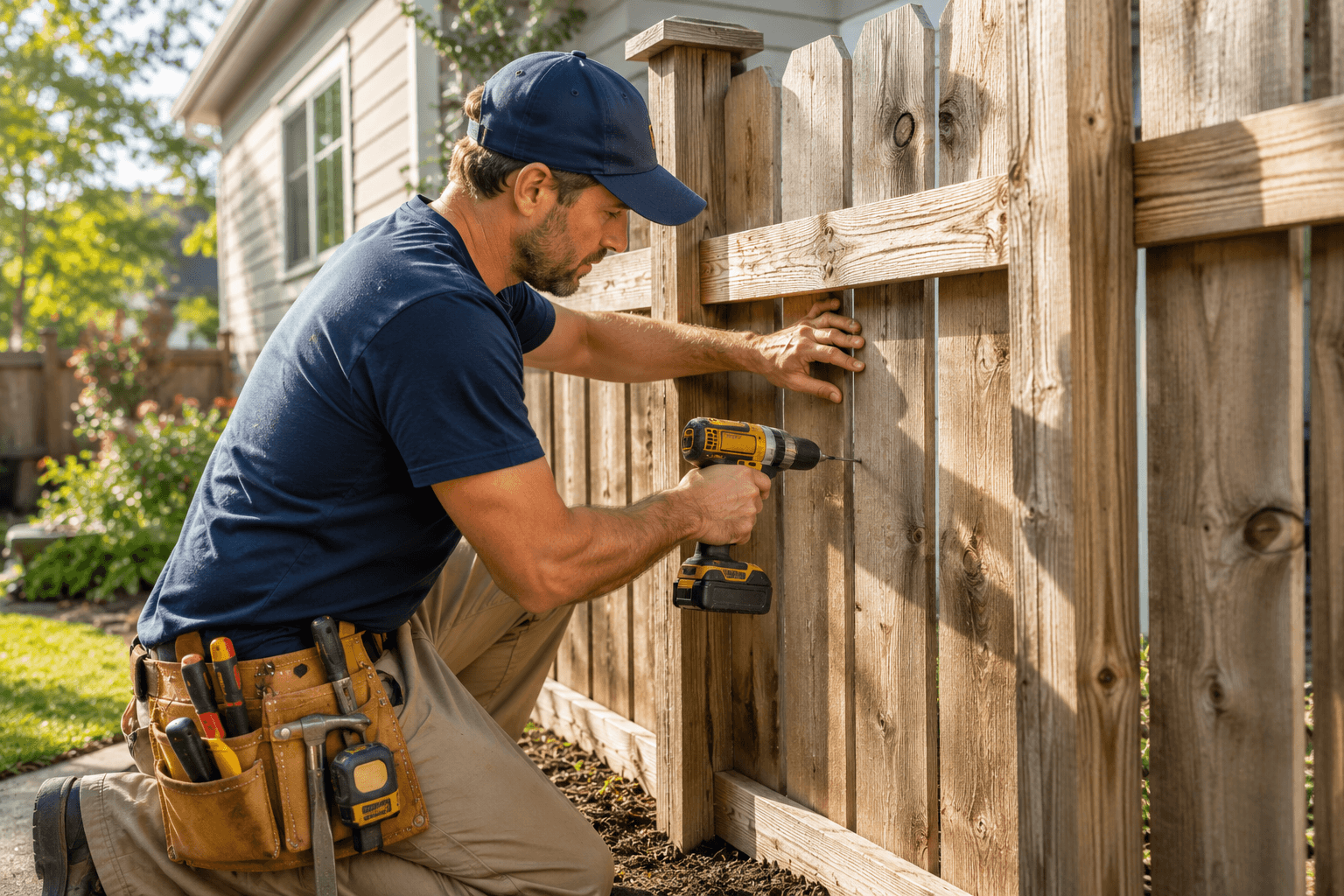
Running a handyman business means taking on a wide variety of projects. One day you may be repairing drywall or replacing a door, and the next you could be installing cabinets, repairing a deck, or completing a long list of improvements for a property owner. That variety is part of what makes handyman services valuable—but it can also create a wide range of risks.
Handyman insurance can help protect your business against accidents, property damage, injuries, vehicle-related losses, stolen tools, and other unexpected events.
Whether you work independently or operate a growing handyman company with employees, vehicles, and multiple crews, having the right combination of business insurance coverage can help protect what you've built.
What Insurance Does a Handyman Need?
There isn't one policy that covers every handyman business. Coverage is typically built using several types of commercial insurance based on the work you perform, your equipment, employees, vehicles, and other exposures.
Common handyman insurance coverages include:
General Liability Insurance
General liability insurance is one of the most important coverages for a handyman business. Working inside customers' homes and businesses creates the potential for accidental injuries and property damage.
For example, you could accidentally damage flooring while moving equipment, cause water damage while completing a repair, or leave materials where a customer trips and is injured.
General liability insurance can help protect your business against qualifying claims involving bodily injury and property damage.
Customers, property managers, and general contractors may also require proof of general liability insurance before allowing you to perform work.
Tools and Equipment Insurance
Your tools are essential to your business, and they're frequently transported between jobsites.
Tools and equipment coverage, often provided through an inland marine policy, can help protect qualifying tools and portable equipment while they're at a jobsite, in transit, or temporarily stored away from your primary business location.
Coverage may be available for:
- Power tools
- Hand tools
- Compressors
- Generators
- Saws
- Ladders
- Specialty equipment
- Other portable contractor equipment
Coverage limits should reflect the actual replacement value of the tools and equipment you regularly use.
Commercial Auto Insurance
Handyman businesses frequently depend on pickup trucks, vans, trailers, and other vehicles to transport tools and materials.
Personal auto insurance may not provide appropriate coverage for vehicles primarily used for business purposes. Commercial auto insurance can provide liability and physical damage coverage for qualifying business vehicles.
Businesses with employees who drive personal or rented vehicles for company purposes may also want to discuss hired and non-owned auto coverage with their insurance agent.
Workers' Compensation Insurance
Handyman work can involve ladders, power tools, lifting, construction materials, and other potential workplace hazards.
Workers' compensation insurance provides benefits for qualifying employees who suffer work-related injuries or illnesses. Requirements vary based on the business and where it operates.
Even relatively minor injuries can result in medical expenses and time away from work, making workers' compensation an important consideration for handyman companies with employees.
Commercial Property Insurance
A handyman who operates from a shop, office, warehouse, or other business location may need commercial property insurance.
This coverage can help protect business property such as office equipment, supplies, furniture, inventory, and certain equipment against covered losses.
Commercial Umbrella Insurance
Liability claims can sometimes exceed the limits of an underlying insurance policy.
A commercial umbrella or excess liability policy can provide additional liability limits above certain underlying policies. This can be particularly valuable for established handyman businesses working on larger projects or for commercial customers that require higher insurance limits.
What Types of Work Can Handyman Insurance Cover?
Handyman businesses can perform an unusually broad range of services. Depending on the insurance company and policy, acceptable operations may include:
- Drywall repair
- Interior painting
- Door and window repairs
- Cabinet installation
- Shelving installation
- Deck and fence repairs
- Minor carpentry
- Furniture assembly
- Flooring repairs
- Pressure washing
- Property maintenance
- Rental property repairs
- Minor remodeling
- General home repairs
It is important to accurately describe the work you perform when applying for handyman insurance.
Some higher-risk operations—particularly certain roofing, electrical, plumbing, structural, excavation, or other specialized contracting work—may require different insurance classifications or specialized coverage.
Handyman Insurance for Independent Contractors
Even if you're a one-person handyman operation, business insurance can be important.
Working inside someone else's home or business means you could potentially be held responsible for accidental property damage or injuries arising from your work.
Insurance may also help you qualify for additional opportunities. Property management companies, commercial customers, general contractors, and other businesses may require a certificate of insurance before hiring a handyman or subcontractor.
Having appropriate insurance can demonstrate that you're operating as a professional business while protecting you against potentially expensive claims.
Protect Your Handyman Business
You've invested time and money building your reputation, purchasing tools, finding customers, and growing your business. The right insurance program can help protect those investments when something unexpected happens.
Because handyman businesses can perform such a wide variety of work, coverage should reflect the services you actually provide. An independent insurance agent can help evaluate your operations and compare coverage options from multiple insurance companies.
FAQs
What insurance does a handyman need?
Many handyman businesses should consider general liability, tools and equipment coverage, and commercial auto insurance. Businesses with employees may also need workers' compensation. Commercial property, umbrella liability, and other specialized coverage may be appropriate depending on the operation.
How much does handyman insurance cost?
The cost of handyman insurance depends on factors such as the services performed, annual revenue, payroll, number of employees, claims history, vehicles, equipment value, coverage limits, and location. A small self-employed handyman may have very different insurance costs than a business operating several crews and vehicles.
Does a self-employed handyman need liability insurance?
Even a handyman with no employees can face liability claims. General liability insurance can help protect against qualifying claims involving bodily injury or property damage arising from business operations. Customers or contractors may also require proof of liability insurance before hiring you.
Does handyman insurance cover tools?
Tools can typically be insured through contractors tools and equipment or inland marine coverage. This can provide protection for qualifying tools while they're being transported, stored, or used away from your primary business location.