

Winter roads claim thousands of lives annually, with the National Highway Traffic Safety Administration reporting over 1,300 deaths from winter weather crashes each year.
At FirstMark Insurance Group, we know that proper preparation can mean the difference between arriving safely and becoming a statistic. These winter driving safety tips will help you navigate icy roads with confidence and protect what matters most.
How Do You Prepare Your Vehicle for Winter Roads
Your vehicle needs specific winter modifications to handle snow and ice safely. The Federal Highway Administration reports that pavement friction drops dramatically on icy surfaces, which makes proper vehicle preparation non-negotiable for safe winter driving.
Tire Performance Makes or Breaks Winter Safety
Winter tires provide significant performance advantages over all-season tires in cold weather conditions according to AAA tests. Check your tread depth with a penny test – Lincoln’s head should disappear when you insert it upside down into the tread. Tires with less than 4/32 inch tread depth lose significant traction in snow and wet conditions.
Tire pressure drops 1 PSI for every 10-degree temperature decrease, so check monthly and maintain manufacturer specifications. All-season tires become dangerously hard below 45 degrees Fahrenheit, while winter tires stay flexible in sub-zero temperatures.
Battery and Electrical System Checks Save You From Roadside Disasters
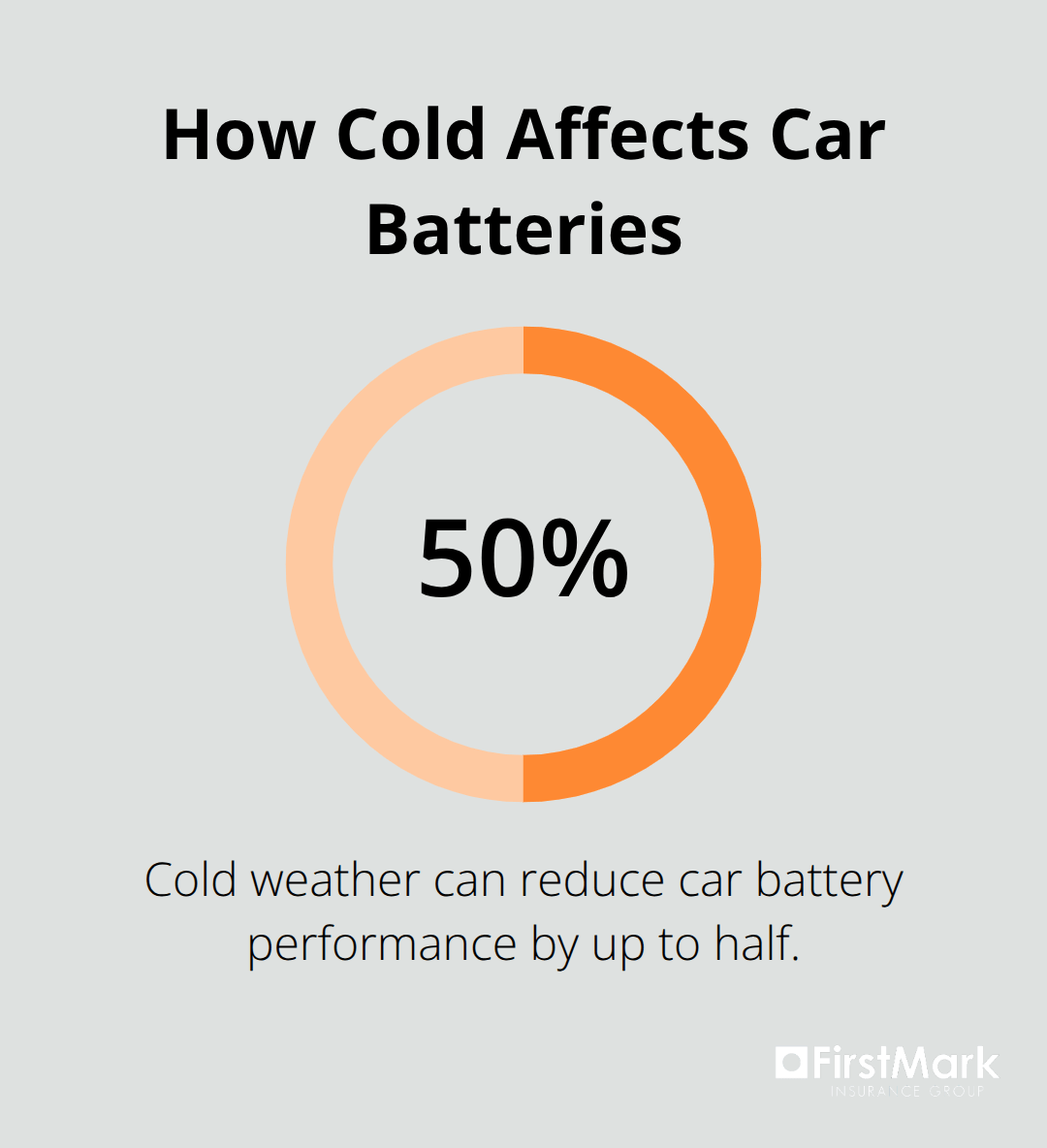
Cold weather reduces battery performance by up to 50%, and chemical reactions slow dramatically in temperatures that freeze. Have your battery tested at a licensed service center before winter arrives – batteries older than three years often fail when temperatures drop. Check your alternator output and inspect battery terminals for corrosion.
Replace windshield wipers every six months and switch to winter-grade washer fluid that won’t freeze. Test all lights (headlights, brake lights, and turn signals) since visibility drops significantly during winter storms.
Emergency Kit Essentials That Actually Matter
Pack a winter emergency kit with specific items that work in extreme cold. Include a snow shovel, ice scraper, jumper cables, flashlight with extra batteries, first aid kit, warm blankets, non-perishable food, and water bottles filled only halfway to prevent ice formation. Add sand or cat litter for traction if stuck.
Keep your gas tank at least half full to prevent fuel lines from ice formation and maintain optimal battery performance. A fully charged portable phone charger becomes vital when you face isolation in remote areas during winter storms (especially when cell towers lose power).
These preparation steps set the foundation for safe winter travel, but proper technique behind the wheel matters just as much as vehicle readiness.
How Do You Drive Safely on Winter Roads
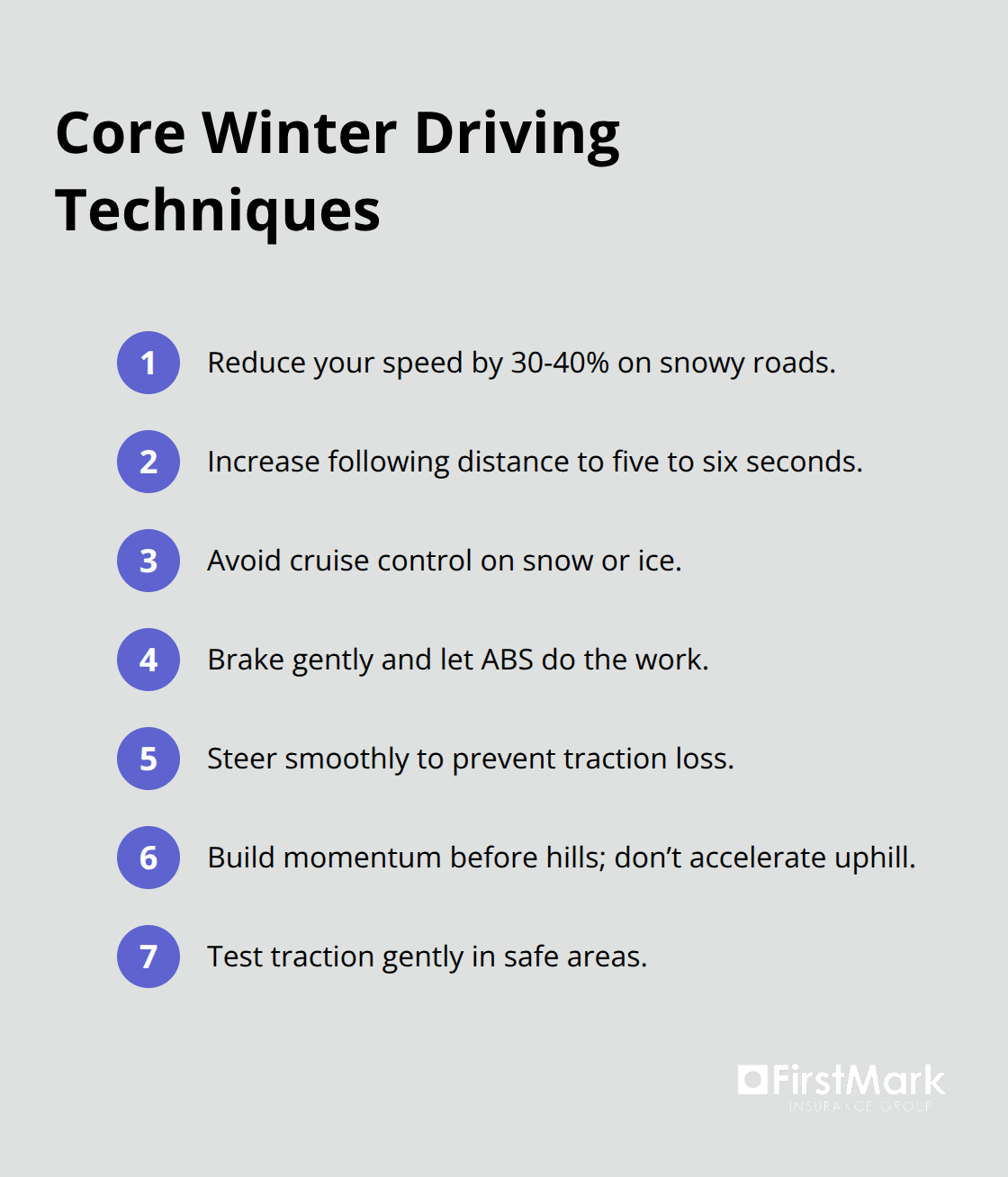
Winter roads demand completely different techniques than normal conditions. The National Safety Council reports that gradual movements prevent loss of control on icy surfaces, while sudden actions cause dangerous skids. Reduce your speed by 30-40% on snowy roads and increase your distance to five to six seconds behind other vehicles. The Federal Highway Administration data shows that freeway speeds drop 5-40% in heavy snow for good reason – physics works against you when traction disappears.
Speed Reduction Saves Lives on Slippery Roads
Drop your speed significantly below posted limits when roads become slippery. AAA research demonstrates that stopping distances increase dramatically on snow-covered pavement and require much more time and space to halt safely. Maintain steady acceleration and deceleration rather than quick movements that break traction. Never use cruise control on snow or ice since you need constant throttle adjustments to maintain control.
Master Ice Control Through Gentle Inputs
Apply brakes gently and steadily rather than aggressive pumps. Modern antilock brake systems work best with firm, constant pressure that allows the computer to modulate wheel speed. Turn the steering wheel slowly and smoothly – jerky movements instantly break traction on ice. When you approach hills, gain momentum beforehand rather than accelerate uphill where wheels can spin uselessly.
Recover From Skids With Counter-Steering
Turn your steering wheel in the direction you want the front of your car to go when your vehicle starts to slide. This counter-steering technique helps regain control during rear-wheel skids. Avoid the brakes during a skid since this worsens the slide and extends recovery time. The Wisconsin Department of Transportation recommends practice of these recovery techniques in empty parking lots before winter storms arrive.
Handle Black Ice and Bridge Hazards
Black ice forms most commonly on bridges and overpasses (which freeze before regular road surfaces). Watch for shiny patches on the pavement that indicate ice formation. Reduce speed when you cross bridges, even when the main road appears clear. Test your traction gently with light brake pressure in safe areas to gauge road conditions before you encounter emergency situations.
Even perfect technique won’t prevent every winter emergency, which makes preparation for breakdowns and stranded situations equally important.
What Should You Do During Winter Emergencies
Winter emergencies strike without warning, and your response determines whether you survive safely or face serious danger. Severe winter weather contributes to nearly 500,000 crashes annually, creating dangerous conditions for drivers. When you become stranded, your vehicle provides the best shelter and helps rescuers locate you more easily than if you wander into a storm.
Stay With Your Vehicle and Signal for Help
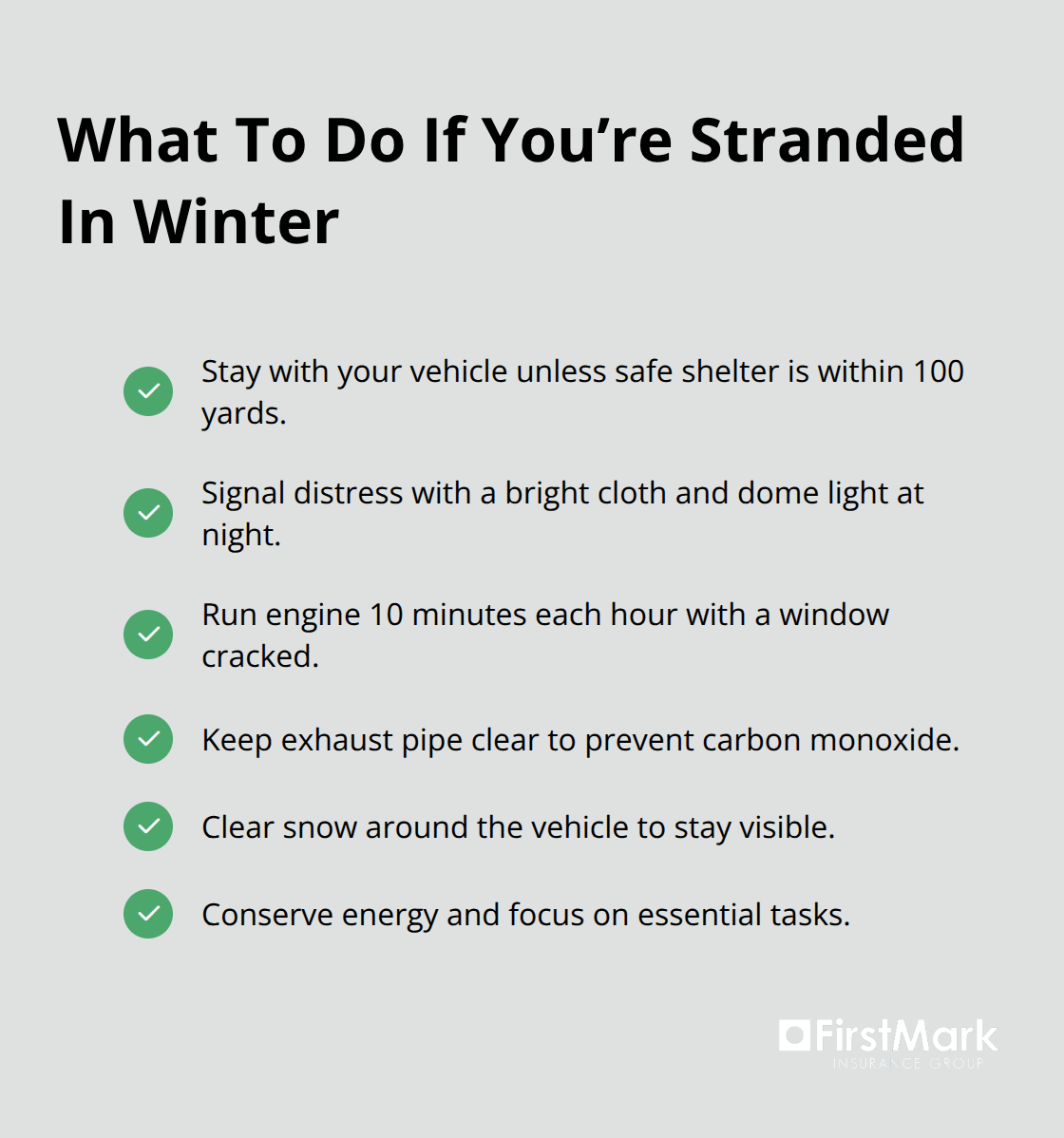
Never leave your vehicle during a winter emergency unless you can see a building within 100 yards. Your car offers protection from wind and cold that you cannot replicate outdoors. Tie a brightly colored cloth to your antenna or door handle to signal distress, and keep your dome light on at night to increase visibility. Run your engine for 10 minutes each hour to stay warm, but crack a window slightly and check that your exhaust pipe stays clear of snow to prevent carbon monoxide poisoning (which kills silently in enclosed spaces). Clear snow from around your vehicle regularly to maintain visibility and prevent burial by plows.
Handle Cold Weather Breakdowns Strategically
Dead batteries cause most winter breakdowns, so call for roadside assistance immediately rather than attempt repairs in dangerous conditions. Keep your phone charged with a portable charger and inform family members of your travel route before departure. If your battery dies, jumper cables become useless without another vehicle, so professional help remains your best option. Avoid overexertion when you dig out your vehicle since cold air increases heart attack risk significantly. Use floor mats or newspapers for additional insulation if you lack proper winter clothes, and conserve your energy for essential tasks only.
Recognize Dangerous Weather Before It Traps You
Monitor the Wisconsin 511 system and local weather reports before you travel, and postpone trips when authorities issue winter weather warnings. Black ice forms most dangerously on bridges and overpasses (which freeze before regular pavement), so reduce speed dramatically when you cross elevated surfaces. Watch for decreased visibility, which indicates storms that can strand you quickly. Heavy snow reduces visibility to near zero within minutes, so pull over safely rather than continue when you cannot see the road ahead clearly.
Final Thoughts
Winter driving safety tips work only when drivers apply them consistently and prepare properly. Over 1,300 deaths occur annually from winter weather crashes, yet most accidents remain preventable through vehicle preparation, adjusted techniques, and emergency planning. Your vehicle needs winter-ready tires, a tested battery, and emergency supplies before the first snowfall arrives.
Speed reduction, increased distances, and gentle steering inputs prevent most winter accidents. When emergencies strike, drivers who stay with their vehicle and signal for help survive more effectively than those who attempt dangerous self-rescue. Winter roads demand respect, preparation, and caution from every driver.
We at FirstMark Insurance Group understand that winter creates additional risks that proper insurance coverage should address (especially for families who drive frequently in harsh conditions). FirstMark Insurance Group works with top providers to present options that fit your specific needs at competitive rates. These safety practices protect your family and reduce the likelihood of tragic winter accidents.