

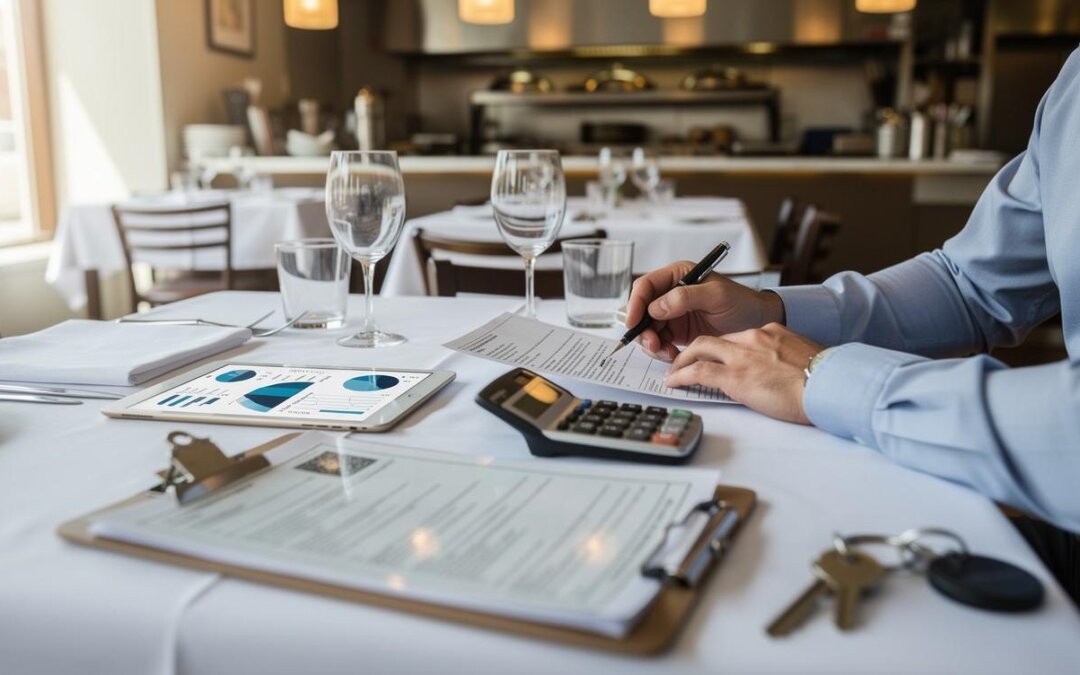
Your restaurant represents years of investment and hard work. A single fire, storm, or break-in can threaten everything you’ve built.
Restaurant property insurance in WA protects your building, equipment, and inventory from these real risks. At FirstMark Insurance Group, we help restaurant owners understand what coverage they need and why it matters for their business.
What Your Restaurant Property Insurance Actually Covers
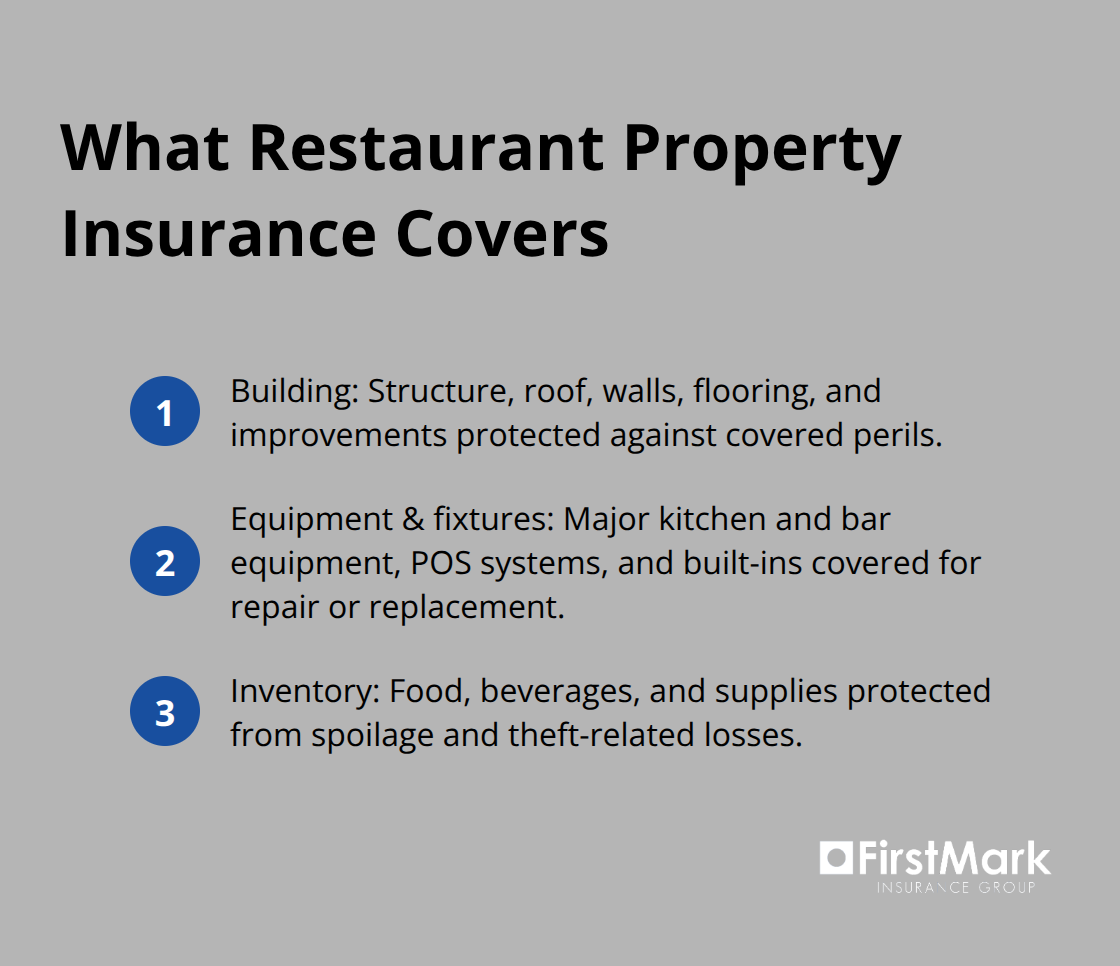
Restaurant property insurance protects three critical areas of your operation. The building itself-walls, roof, flooring, and any improvements you’ve made like a new kitchen layout or dining room expansion-gets covered against fire, wind, hail, and other perils. Equipment and fixtures represent significant capital. Your commercial-grade ovens, refrigeration units, point-of-sale systems, and built-in bar equipment all fall under this coverage. A single oven replacement costs between $1,000 and $10,000, and losing multiple pieces simultaneously could devastate your operation. Inventory coverage protects your food stock, beverages, and supplies. For a mid-sized restaurant turning inventory weekly, this protection prevents a total loss when spoilage occurs after an unexpected power outage or when theft compromises your storage areas.
The Equipment Coverage Gap Most Owners Miss
Many restaurant owners assume standard property policies cover all equipment equally, but coverage limits vary significantly. Your high-value items-commercial espresso machines, wine collections, or specialized cooking equipment-may hit policy sublimits that don’t reflect their actual replacement cost. A quality wine collection can easily exceed $15,000 to $30,000 in a full-service restaurant, yet standard limits often cap alcohol coverage at $2,500. You need to inventory everything with serial numbers and current replacement costs. Document equipment purchases and upgrades because inflation means replacement costs climb faster than most owners expect. Specialized equipment like sushi-grade refrigeration or wood-fired ovens requires specific coverage riders to avoid underinsurance.
Building Improvements Require Active Documentation
Restaurants frequently invest in renovations that increase property value but don’t always get properly documented for insurance purposes. A $50,000 kitchen remodel, new HVAC system, or upgraded electrical work all add to your insurable value. Without notifying your insurer about these improvements, you risk being underinsured when a loss occurs. Washington’s restaurant market has seen steady renovation activity, with many owners upgrading dining spaces and kitchen facilities to stay competitive. After any major improvement, contact your insurance professional to adjust your coverage limits accordingly. This proactive step prevents the frustrating scenario where your claim settlement falls short of actual replacement costs because your policy limits didn’t match your property’s real value.
Identifying What Needs Coverage Adjustment
Your restaurant’s specific setup determines which coverage areas need the most attention. A fine dining establishment with an extensive wine program needs different limits than a casual café (the wine collection alone justifies higher sublimits). A restaurant with outdoor seating or a rooftop bar faces different weather exposure than an indoor-only operation. High-traffic locations experience different theft patterns than quieter neighborhoods. These operational differences mean your coverage should reflect your actual risk profile, not a generic template. Your insurance professional can walk through your specific layout and equipment to identify gaps before a loss exposes them.
Moving Forward With Your Coverage Strategy
Understanding what your policy covers represents only half the equation. The next step involves assessing your property’s actual value and comparing coverage options to match your restaurant’s specific needs.
Why Washington Restaurants Face Real Property Risks
Weather Creates Constant Exposure
Washington’s restaurant environment creates specific vulnerabilities that generic property insurance often fails to address. The state experiences significant weather volatility-from winter storms that damage roofing and cause water intrusion to occasional hail events that compromise HVAC systems and outdoor seating areas. According to the National Weather Service, Washington’s annual precipitation averages significant totals, concentrating heavily in fall and winter months when restaurant traffic peaks. A single storm-related closure costs a mid-sized restaurant approximately $2,000 to $5,000 in lost revenue per day, yet many owners underestimate how quickly water damage spreads through kitchens and dining spaces.
Fire Risk Demands Specialized Coverage
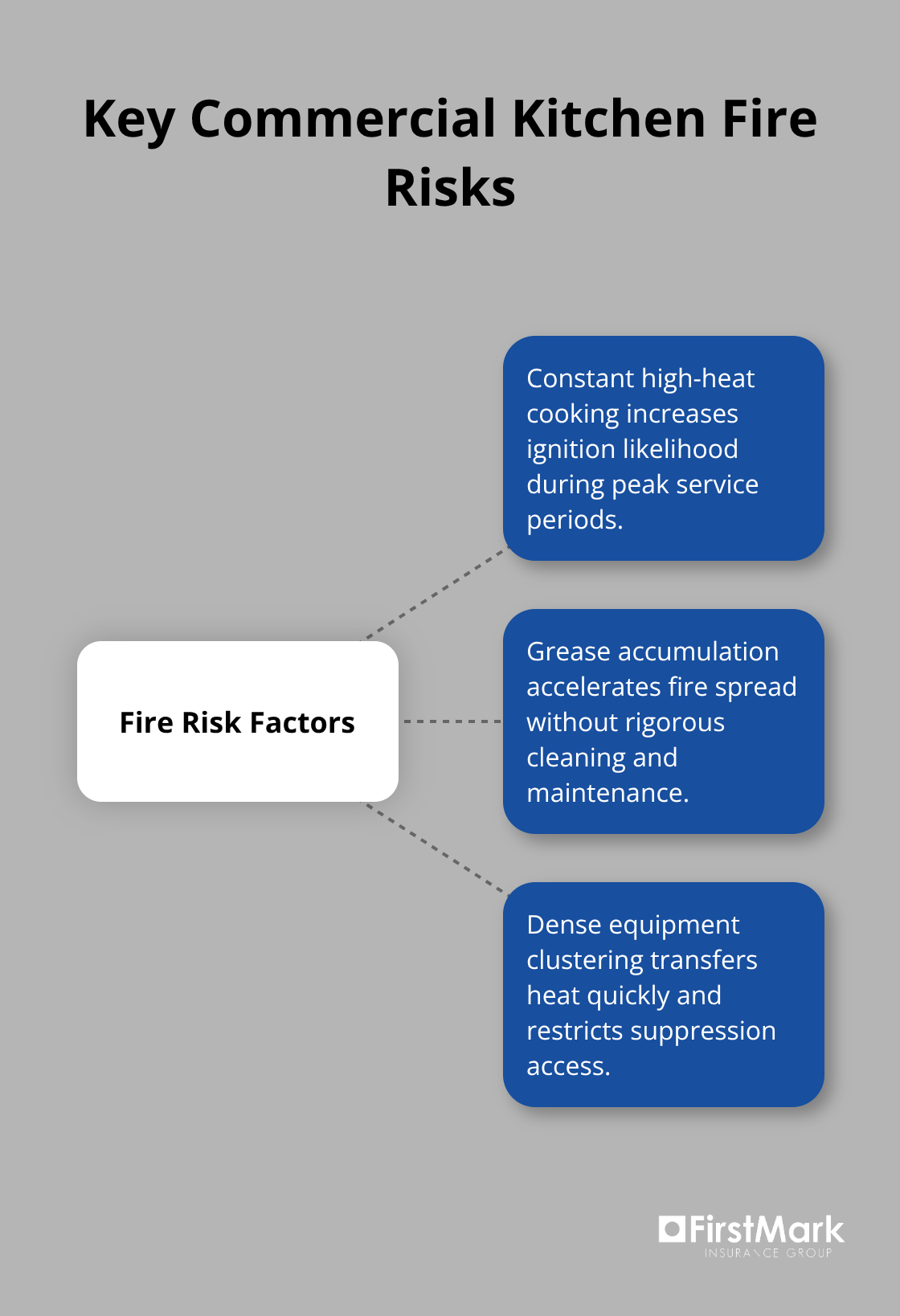
Fire risk deserves particular attention because commercial kitchens operate under conditions that dwellings never face-constant high-heat cooking, grease accumulation, and dense equipment clustering create genuine fire exposure. The National Fire Protection Association reports that restaurants experience fire incidents at roughly 3 times the rate of other commercial buildings, with cooking equipment involved in approximately 30% of reported restaurant fires.
Property insurance specifically addresses these kitchen-based risks through coverage that standard policies exclude entirely.
Theft and Vandalism Drain Profitability
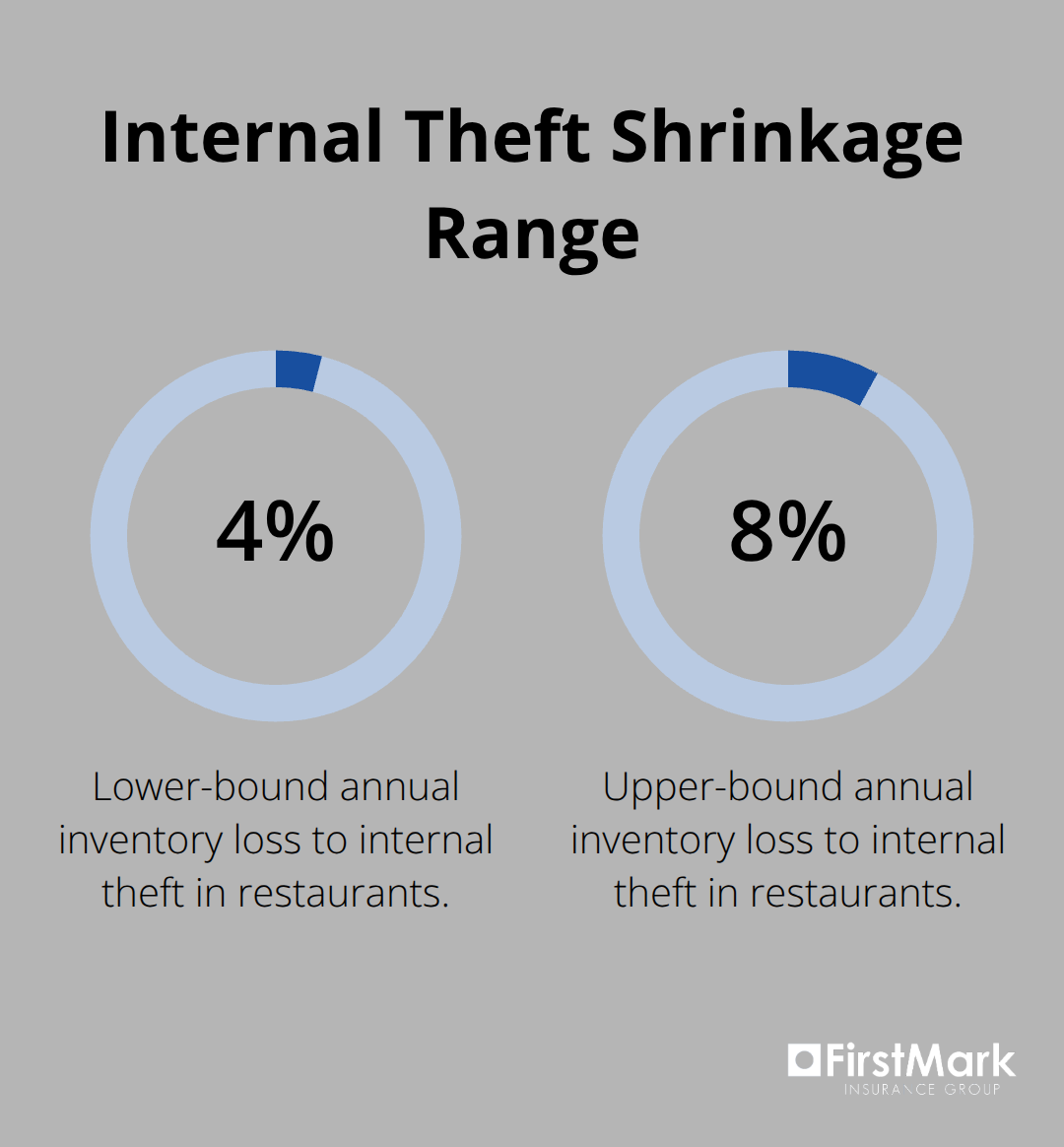
Theft and vandalism present ongoing operational headaches that many owners absorb as routine losses rather than insurable events. Urban and suburban restaurant locations in Washington experience break-ins targeting expensive equipment, alcohol inventory, and cash registers with frustrating regularity. A single break-in costs restaurants an average of $3,500 to $8,000 in stolen goods plus repair expenses, according to restaurant industry loss data. Beyond break-ins, employee theft accounts for significant inventory shrinkage-restaurants lose approximately 4% to 8% of inventory annually to internal theft, far exceeding external theft rates.
Business Interruption Protects Your Bottom Line
Property insurance with appropriate coverage limits protects against these predictable losses while maintaining your cash flow during recovery periods. More importantly, property insurance coverage for business interruption means your operation stays financially viable even when you cannot serve customers. If a fire or major theft forces a temporary closure, business interruption coverage compensates for lost revenue and helps cover fixed expenses like payroll and rent. Without this protection, a two-week closure can create financial stress that threatens the entire business.
Identifying the right coverage limits requires a careful assessment of your property’s actual value and the specific assets your restaurant depends on to operate. The next section walks through how to evaluate your needs and select appropriate protection.
How to Choose the Right Restaurant Property Insurance
Calculate Your True Property Value
Start with a complete inventory of everything your restaurant owns. Walk through your building with a notebook or use a spreadsheet to document every asset-from the structure itself down to smallwares. Note purchase dates, original costs, and current replacement values for major equipment. This inventory becomes your baseline for determining appropriate coverage limits.
Most restaurant owners underestimate their property value by 20 to 40 percent because they forget about accumulated improvements, equipment replacements, and inventory depth. A mid-sized restaurant typically carries $250,000 to $500,000 in insurable property value, yet many owners guess at coverage limits rather than calculating actual exposure.
Contact equipment suppliers for current replacement costs on your major pieces. A commercial refrigerator that cost $8,000 five years ago might run $11,000 to $13,000 today due to inflation and upgraded specifications. Your wine inventory, if you maintain one, requires separate documentation because alcohol coverage sublimits often fail to match actual stock value.
Take photos of equipment and maintain receipts for any additions or upgrades made in the past three years. This documentation prevents disputes during claims and helps your insurance professional recommend appropriate limits.
Match Coverage Limits to Actual Risk
Standard property policies come with predetermined limits that rarely match specific restaurant operations. A casual café with minimal equipment needs different protection than a fine dining establishment with a $100,000 kitchen renovation completed last year. Your coverage limits should equal replacement cost, not depreciated value, because rebuilding your restaurant after a total loss requires current-market dollars.
Many owners select limits based on what feels comfortable rather than what their property actually requires, creating dangerous gaps. Request quotes with multiple limit options so you understand how coverage changes as limits increase. A $50,000 increase in building coverage might cost only $30 to $50 annually-a negligible expense that prevents catastrophic underinsurance.
Equipment sublimits deserve particular attention because they often cap high-value items at unrealistic levels. If your point-of-sale system costs $8,000 but your policy limits POS equipment to $3,000, you face a $5,000 out-of-pocket loss. Specialized equipment like commercial espresso machines, wine storage systems, or wood-fired ovens frequently need scheduled coverage riders that extend standard sublimits.
Ask your insurance professional about business interruption limits too. A closure lasting three weeks costs roughly $15,000 to $35,000 in lost revenue for most restaurants, yet many owners carry inadequate business interruption coverage that covers only one or two weeks of operations.
Work with Insurance Professionals to Prevent Costly Mistakes
This assessment process works best with professional guidance because restaurant properties present complexities that generic online quotes cannot address. An insurance professional familiar with Washington restaurants understands local fire codes, typical weather exposure, and operational risks specific to your location and concept.
A professional review typically identifies coverage gaps that owners miss, such as inadequate limits on outdoor equipment, insufficient coverage for seasonal inventory fluctuations, or missing protection for leasehold improvements. Your insurance professional should visit your restaurant to assess the building’s condition, equipment configuration, and operational layout rather than relying on phone conversations alone. This on-site evaluation reveals risks that written descriptions never capture.
After you establish appropriate coverage limits, schedule annual reviews to keep your protection aligned with equipment additions, renovations, and inventory growth. Many restaurants modify their operations annually-adding outdoor seating, upgrading kitchens, or expanding menus-yet fail to notify their insurers about these changes. This oversight leaves you underinsured when losses occur.
Final Thoughts
Restaurant property insurance in Washington protects your business from losses that threaten your survival. The coverage addresses your building structure, equipment, and inventory through a comprehensive approach that standard policies cannot provide. Your restaurant’s specific layout, equipment configuration, and operational risks demand protection tailored to your actual exposure rather than generic templates that leave gaps when losses occur.
Document your property value with current replacement costs, not outdated purchase prices, and identify equipment that needs specialized coverage riders because standard sublimits fail to match your actual investment. Schedule annual reviews with your insurance professional to keep coverage aligned with renovations, equipment additions, and inventory changes. Business interruption coverage deserves equal attention because property damage means nothing without protection for lost revenue during closure periods, and a two-week forced closure costs most restaurants $15,000 to $35,000 in lost income.
Contact FirstMark Insurance Group to schedule a professional review of your restaurant property insurance in WA. Your investment deserves coverage that actually protects it.
Disclaimer: The information provided in this blog is for general informational purposes only and does not constitute legal, financial, or insurance advice. Coverage options, terms, and availability may vary. Please consult with a licensed professional for advice specific to your situation