

Your RV sits in the driveway or storage lot, untouched for months. Without the right protection, that idle vehicle becomes vulnerable to engine decay, weather damage, and theft.
At FirstMark Insurance Group, we see this problem constantly. Standard auto insurance simply doesn’t cover stored RVs, leaving owners with dangerous gaps in protection. RV insurance for storage fills those gaps and costs far less than active-use policies.
What Damage Occurs When Your RV Sits Idle
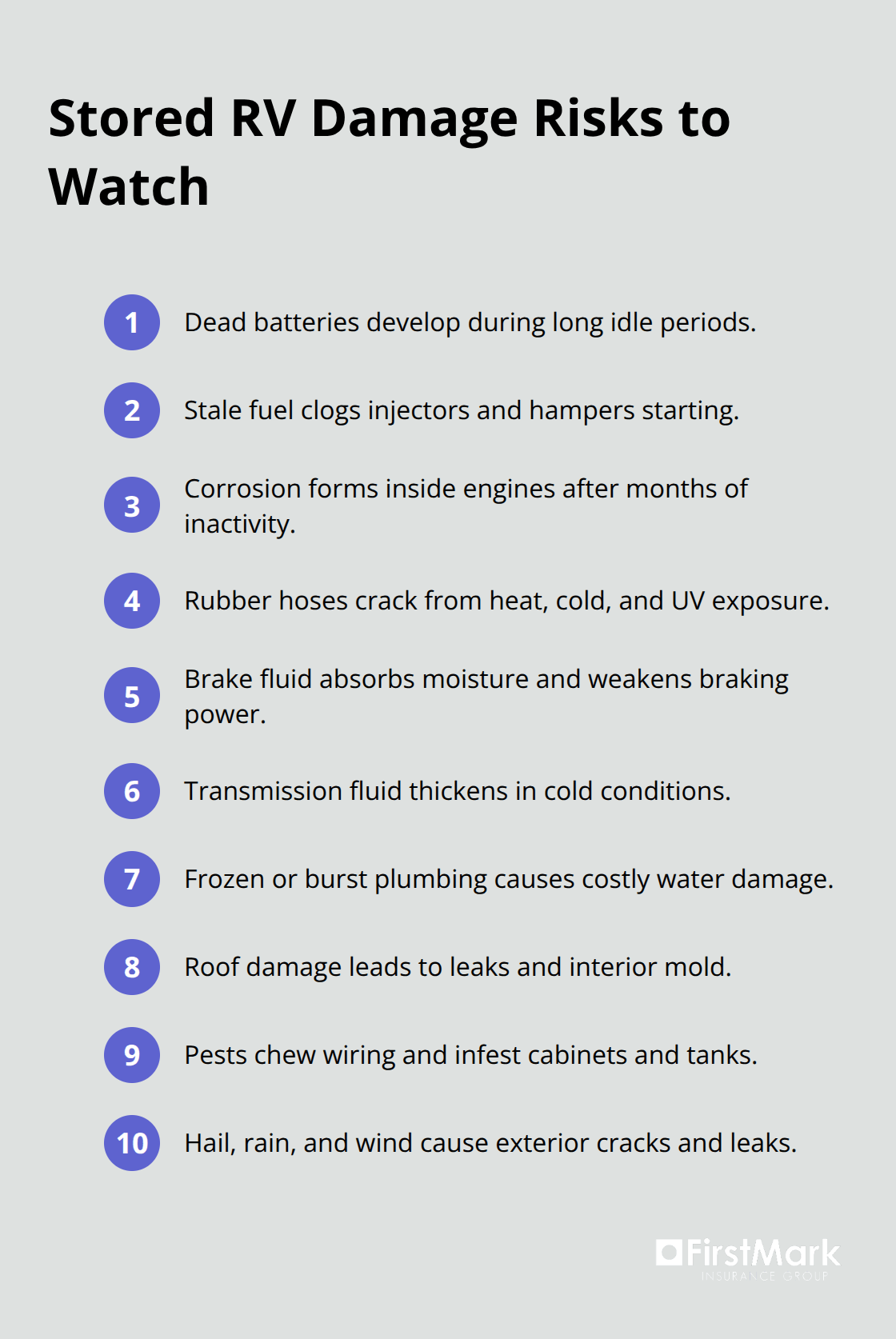
An RV that remains parked for months faces real, costly damage that accelerates the longer it sits. Engine seals dry out without regular use, fuel degrades in the tank, and battery charge depletes steadily. A motorhome left stationary for an extended period develops a dead battery, stale fuel that clogs injectors, and corrosion inside the engine that makes starting difficult or impossible.
Mechanical Systems Deteriorate Rapidly
Rubber hoses crack from temperature swings and UV exposure. Brake fluid absorbs moisture and loses effectiveness. Transmission fluid thickens in cold conditions, making the vehicle harder to operate when you finally want to use it again. These failures compound quickly and often require expensive repairs before the RV can run safely.
Winter Storage Intensifies Damage
Winter storage creates the most severe problems. A single overnight temperature drop below freezing cracks water lines if they lack proper insulation. Many stored RVs suffer frozen or burst plumbing that causes thousands in water damage before the owner even realizes the problem exists. Slide-out mechanisms freeze solid when seals ice over. Roof damage from heavy snow accumulation or ice dams leads to leaks that spread mold throughout the interior.
Exterior Degradation Happens in All Climates
Even in mild climates, stored RVs face relentless exterior damage. Sun exposure fades paint and cracks fiberglass. Rain seeps into seams and causes rot in wood-framed cabinets. Hail from minor storms punches holes in the roof and breaks windows. Wind-driven moisture penetrates gaps around doors and vents, creating hidden damage behind walls that compounds over time.
Pest Infestations Spread Unchecked
Rodents and insects treat an inactive RV as an ideal home. Mice nest in engine compartments and chew through wiring harnesses, creating fire hazards and electrical failures. Insects infest cabinetry, contaminate fresh water tanks, and leave droppings that spread disease. A stored RV left unmonitored develops severe pest infestations that cost thousands to remediate, far exceeding what most owners expect.
These mounting threats-mechanical failure, weather damage, and pest invasion-expose a critical vulnerability in standard insurance policies. Coverage designed for active vehicles often excludes stationary RVs entirely, leaving owners unprotected against the very damage that storage creates.
Coverage Gaps With Standard Auto Insurance
Standard auto insurance policies are built for active vehicles that spend most days on the road. The moment your RV parks for months, those policies become nearly worthless. Most auto insurers explicitly exclude or severely limit coverage for vehicles that sit stationary for extended periods. If you have a car that will be kept in storage for 30 days or more, you may be able to suspend your liability and collision coverages. This means the damage outlined earlier-frozen pipes, roof leaks, pest infestations, battery failure-often falls outside your policy’s protection entirely. Owners discover this gap only after storage damage occurs, leaving them to pay thousands out-of-pocket for repairs they mistakenly believed were covered.
Time-Based Exclusions Leave You Unprotected
The exclusions run deeper than just time limits. Standard policies assume your vehicle operates under normal driving conditions and rarely address the specialized systems unique to RVs. Your motorhome’s fresh water system, waste tanks, slide-out mechanisms, and integrated appliances have no counterpart in a standard car or truck, so auto policies simply don’t account for their failure modes. Collision and comprehensive coverage in a typical auto policy also contain hidden restrictions for stored vehicles. Comprehensive technically covers weather and theft, but many policies require the vehicle to be in active use to trigger that coverage. If your RV sits parked for an extended period, an insurance company might deny a theft claim because the policy language specifies coverage only applies to vehicles regularly operated.
RV-Specific Equipment Receives No Protection
RV-specific equipment like solar panels, satellite dishes, awnings, and custom installations typically fall under personal property exclusions in standard auto policies, meaning damage to these additions receives no protection whatsoever. Travel trailers and fifth wheels face an additional problem: their liability coverage depends entirely on the tow vehicle’s policy. If you store both separately, the trailer has zero liability protection during storage.
The False Security of Standard Coverage
This combination of time-based exclusions, equipment gaps, and liability voids creates a dangerous false sense of security that leaves your stored investment completely exposed. Seasonal vehicle insurance addresses each of these vulnerabilities, protecting both your RV’s systems and its specialized equipment while it sits idle. Understanding what standard policies actually exclude is the first step toward securing the protection your investment truly needs.
How Storage Insurance Protects What Standard Policies Won’t
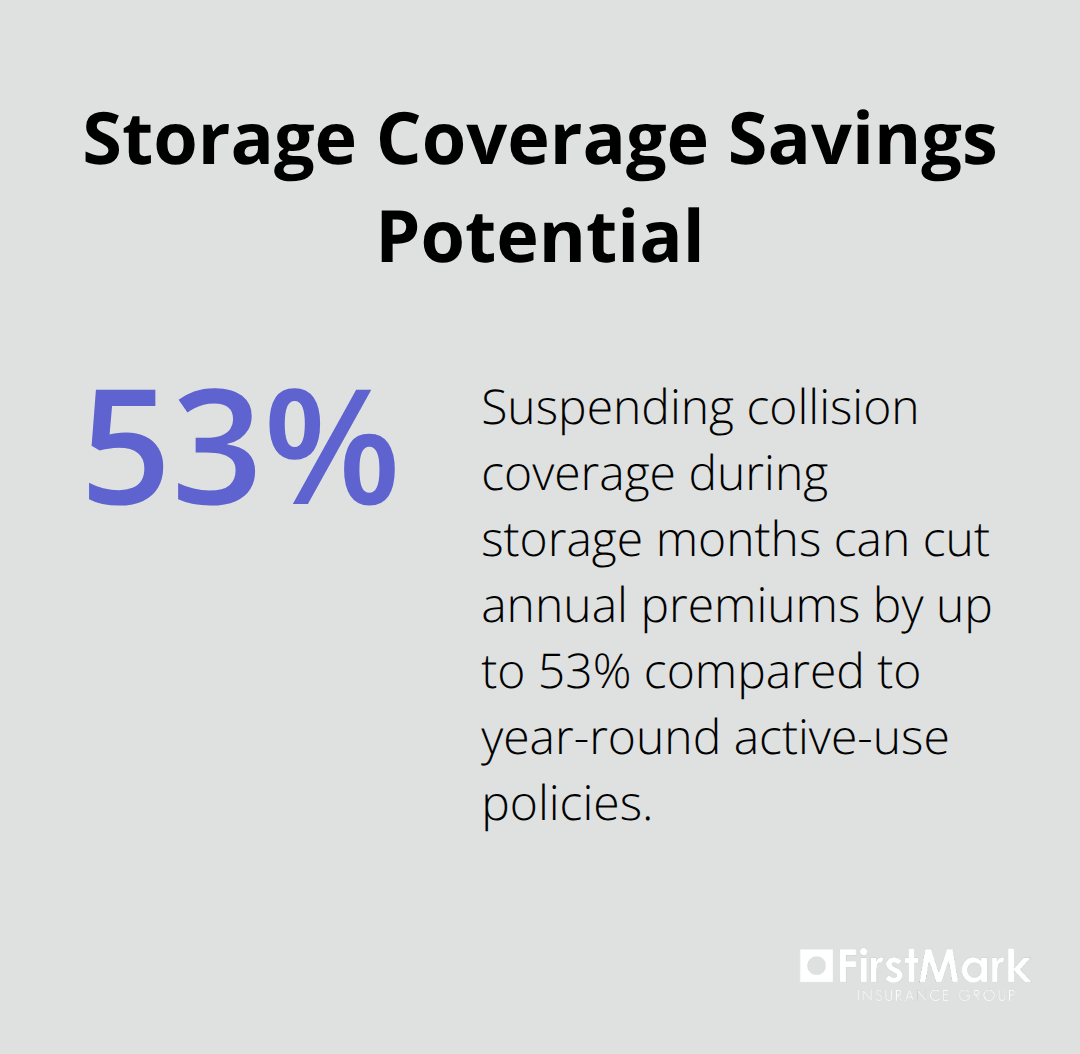
RV storage insurance fills the exact gaps that standard auto policies create when your motorhome or travel trailer sits idle. This specialized coverage activates comprehensive coverage for stored RVs that protects against weather damage, theft, and vandalism while your vehicle remains parked, addressing the real threats that emerge during months of inactivity. Unlike standard policies that exclude stationary vehicles after 30 days, storage insurance maintains full protection for frozen pipes, roof leaks, hail damage, and pest-related failures. The cost difference is substantial: suspending collision and comprehensive coverage during storage months can reduce your annual premium by up to 53 percent compared to maintaining active-use policies year-round. This means you pay significantly less during the off-season while retaining the protections that matter most when your RV sits vulnerable.
Why Comprehensive Coverage Matters More Than Collision During Storage
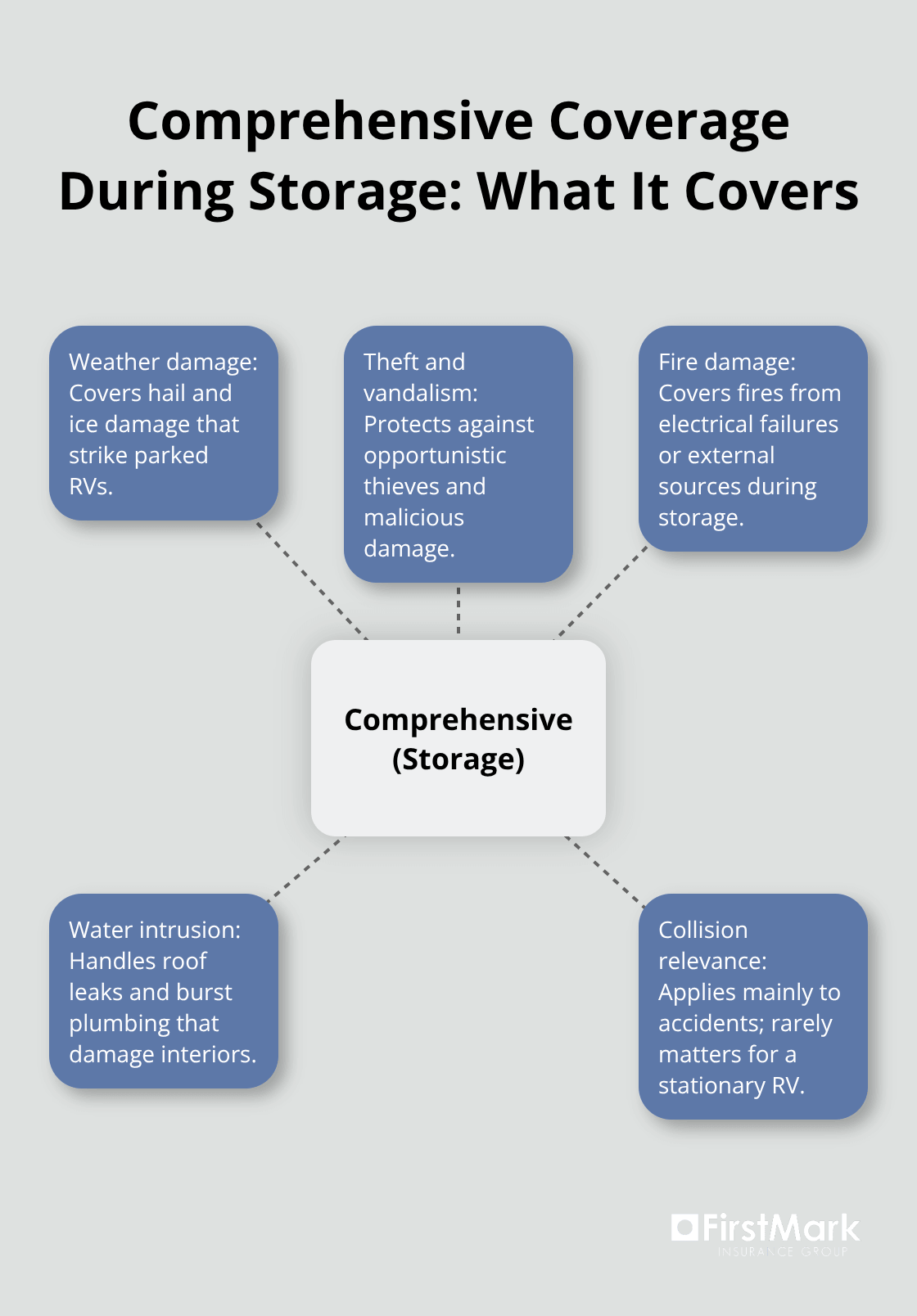
During storage, comprehensive coverage becomes your primary defense because it handles the damage that actually occurs to parked RVs. Comprehensive covers weather-related destruction like hail and ice damage, theft and vandalism from opportunistic thieves, fire damage from electrical failures or external sources, and water intrusion from roof leaks or burst plumbing. Collision coverage, by contrast, only applies to accidents involving other vehicles or objects, which rarely happen to a stored RV sitting in a secured lot or driveway. This distinction lets you suspend collision entirely during storage months while maintaining comprehensive, lowering costs without sacrificing real protection.
Many owners mistakenly keep collision active during storage, essentially wasting money on coverage for a damage type that won’t occur. The practical move is reviewing your storage location and adjusting coverage accordingly: if your RV sits in a secured, monitored facility, comprehensive handles the genuine risks; if it parks uncovered in your driveway, comprehensive becomes even more critical because weather exposure intensifies.
Storage-Specific Endorsements Add Protection Where Standard Policies Fall Short
Beyond basic comprehensive coverage, storage-focused endorsements protect RV-specific systems that standard policies ignore entirely. Permanent attachments coverage shields solar panels, satellite dishes, and custom installations from theft or weather damage. Personal belongings coverage reimburses your gear at original purchase price rather than depreciated value, protecting the thousands in camping equipment stored inside. Emergency expense coverage pays for hotels and meals if your RV becomes uninhabitable during storage due to a covered loss like a burst water line or roof damage. These endorsements cost little compared to the out-of-pocket expenses they prevent when storage damage occurs. A single winter storage season can produce thousands in water damage, roof repairs, and remediation costs that comprehensive storage coverage handles completely while a bare-bones policy leaves the owner paying everything themselves.
Final Thoughts
Your stored RV faces genuine, costly threats that standard auto insurance simply will not cover. Frozen pipes, roof damage, theft, and pest infestations happen to stored RVs every season, and owners without proper protection pay thousands in repairs out-of-pocket. RV insurance for storage exists specifically to handle these real-world problems that emerge when your motorhome or travel trailer sits idle for months.
The decision to activate storage coverage should happen before you park your RV for the off-season, not after damage occurs. Review your current policy now and identify what gaps exist between your active-use coverage and what actually protects a stationary vehicle. If your RV will sit for 30 days or longer, comprehensive coverage becomes your primary defense against weather, theft, and vandalism, while suspending collision coverage during storage can cut your premiums by up to 53 percent.
Storage-specific endorsements for permanent attachments, personal belongings, and emergency expenses add critical layers of protection for the specialized systems and equipment that standard policies ignore entirely. Contact FirstMark Insurance Group today to review your storage coverage and ensure your motorhome or travel trailer remains protected during the months it sits unused.