

Commercial Flood Insurance That Actually Protects
Flooding can shut down your business in an instant—standard policies often don’t cover it. Commercial Property Flood Insurance helps protect your buildings, equipment, and income from rising water, so you can recover quickly and keep moving forward.
THE FIRSTMARK CHALLENGE
A better way to review coverage.
Four simple steps. Zero obligation.

Have A Conversation.

We shop the markets.

Review the results.

You decide.
- Licensed in 39 states
- 20+ Insurance Carriers
- Headquartered in Edmonds, WA
- Independent & Unbiased
A better way to review coverage.
The Firstmark Challenge
Our simple, guided process makes reviewing your insurance easy. We take the time to understand your needs, compare options across top carriers, and present clear results—so you can make a confident decision.
01
Have A Conversation
02
We Shop The Markets
03
Review The Results
04
You Decide!
Flooding Can Disrupt Everything—Your Property Protection Shouldn’t Be Uncertain
With FirstMark Insurance’s dedicated team, you get local experts comparing options from over 20 insurance carriers to build commercial property flood insurance that helps protect your buildings, equipment, and income from water damage—delivering strong protection with great coverage and pricing.
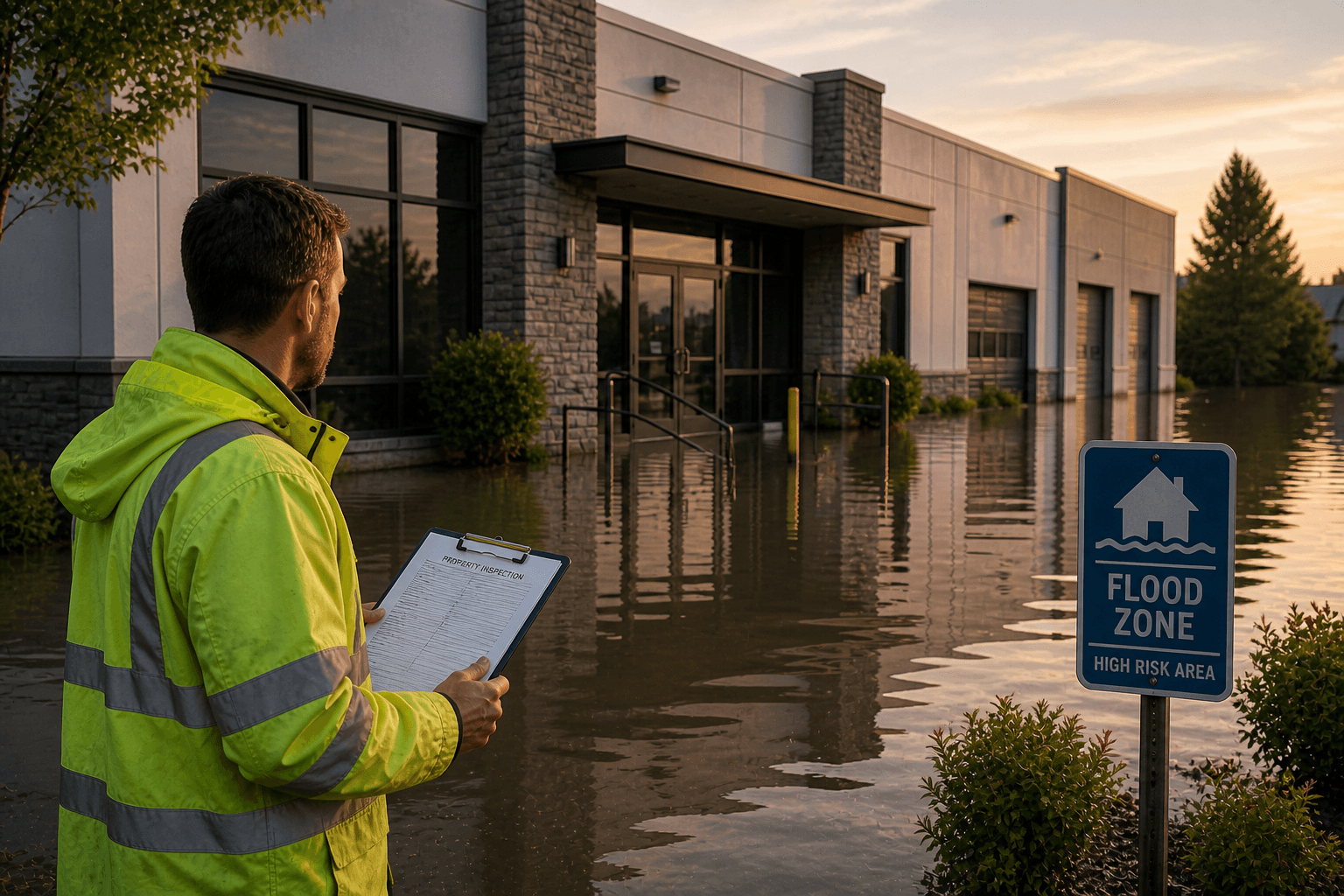
Why having Flood Insurance is Important
Flood Insurance provides essential protection against property damage caused by rising water—whether from heavy rainfall, flash flooding, overflowing rivers, melting snow, or coastal storm surges. Because standard commercial property insurance excludes flood-related damage, a dedicated flood policy is often the only way for businesses to protect their buildings, equipment, and inventory from one of the most costly natural disasters.
For many companies, even a few inches of water can halt operations, damage vital equipment, and create expensive downtime. Flood insurance offers financial support to repair structures, replace damaged materials, and restore critical business functions as quickly as possible.
What Flood Insurance Covers
Flood policies may be purchased through the National Flood Insurance Program (NFIP) or private insurance carriers, and coverage options often include:
- Building Coverage: Protection for the physical structure, including walls, flooring, electrical systems, foundations, and major equipment permanently installed on-site.
- Contents Coverage: Insurance for business personal property such as inventory, furniture, machinery, technology, and supplies stored inside the building.
- Optional Business Interruption Coverage: Some private policies or endorsements offer reimbursement for lost income and operating expenses when flooding disrupts business operations.
Because NFIP and private insurers can differ in limits, deductibles, and exclusions, reviewing your options helps ensure your business receives the right balance of affordability and protection.
Why Flood Insurance Matters for Businesses
Flooding is one of the most frequent and expensive natural disasters in the United States. Climate change, urban development, and shifting weather patterns have increased flood exposure in many regions—meaning businesses that were once considered “low risk” may now face new vulnerabilities.
Important considerations for business owners include:
- Understanding Flood Zones: Reviewing FEMA flood maps annually helps identify whether your property is located in a high-, moderate-, or low-risk area.
- Hidden Risks: Flooding does not only occur near the coast or in known floodplains. Poor drainage, new construction, and intense storm events can cause water damage in almost any location.
- Financial Impact: Without flood insurance, businesses must rely on out-of-pocket expenses or limited federal assistance, which typically does not cover full rebuilding or replacement costs.
A Proactive Approach to Flood Preparedness
Securing flood insurance is a critical part of a comprehensive risk management plan. When paired with preventative measures—such as proper drainage, elevated equipment, or emergency response planning—flood insurance helps businesses maintain stability and recover more quickly after severe weather events.